
The story
Overview
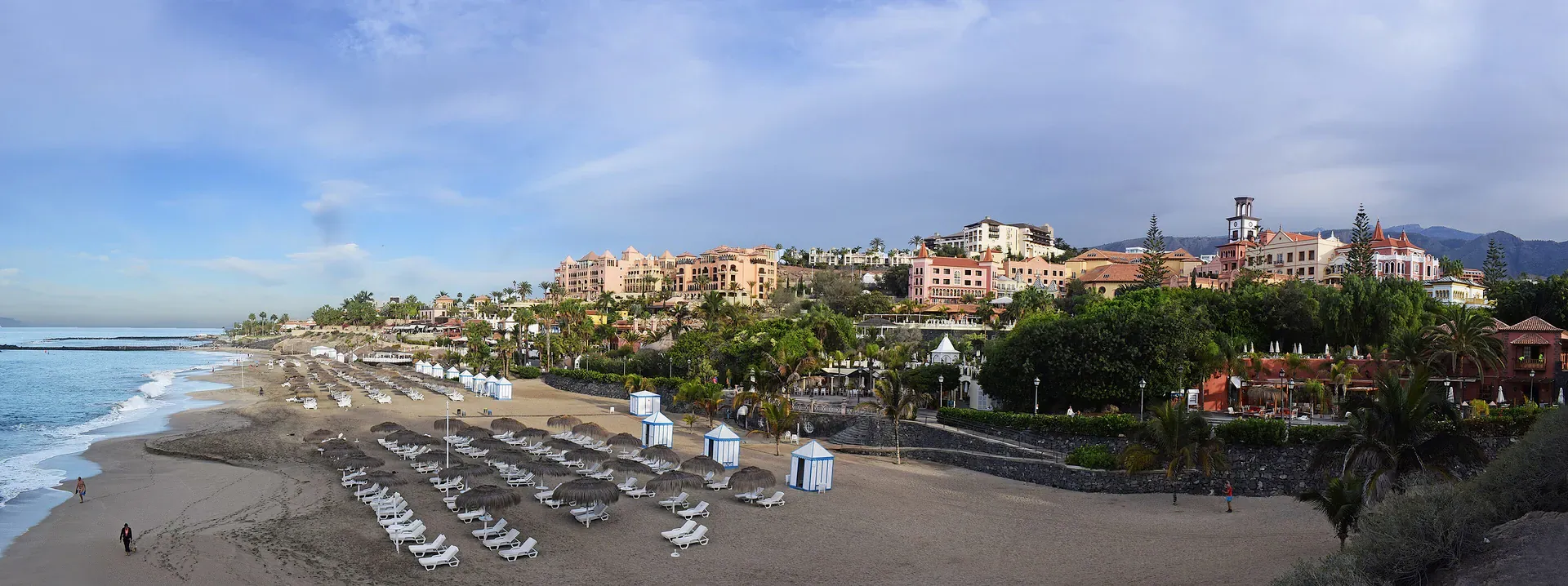
Playa del Duque is a good pick if you want calm, clean, easy water in Costa Adeje and do not mind paying resort prices. It is a 390 m crescent of pale golden sand on Tenerife’s southwest coast, backed by five-star hotels, palm gardens and a wide stone promenade. Stone breakwaters keep the water calm, the beach has Blue Flag status, and entry is free. Two sunbeds with a parasol cost about €20 for the day.
It sits at the quieter northern end of the main Costa Adeje strip. Lunch, coffee and garage parking cost more here than in Playa de las Américas, and the small bay fills after 10:00. In return you get calm swimming, well-kept sand and no pub strip behind the water. If you are on a tight budget, walk 10 to 15 minutes south to Fañabé and Torviscas, where prices drop.
Getting there and parking
Playa del Duque is about 20 to 22 km west of Tenerife South Airport (TFS). By car on the TF-1 it takes 20 to 25 minutes. From Los Cristianos or Playa de las Américas, allow 10 to 15 minutes, longer if the coastal roundabouts are backed up.
Driving and parking
Parking is the main headache, especially from 10:00 to 15:00 in winter (November to March) and in July and August.
| Option | Where | Cost | Note |
|---|---|---|---|
| Plaza del Duque car park | Underground, Calle Londres, east of the beach | First hour free, then €3 per hour, €20 daily maximum | Easiest after 10:00, 3 to 5 minutes’ flat walk to the sand |
| Street bays | Calle Unterhaching and Calle el Mirador | Free where unmarked | Few spaces, usually full before 10:00 on sunny days |
| Reserved spaces | Beside the coastal access points | Disabled badge required | Shortest distance to ramps |
For a two hour swim and lunch, the underground garage beats circling the lanes behind the hotels. A full day hits the €20 cap, so on a budget arrive before 09:30 for the street bays, or park inland near Fañabé and walk down.
By bus
- TITSA line 467 runs along the south coast between Costa del Silencio, Los Cristianos, Costa Adeje and La Caleta, with stops at El Duque and Bahía del Duque.
- TITSA line 424 links Los Cristianos, Costa Adeje and Torviscas Alta with the El Duque and Plaza del Duque area.
From the airport without a car, take line 40 to Estación Costa Adeje, then line 467 north for the short ride to El Duque. Buses take contactless cards or small cash, and a Ten+ card costs €2.
Sand, sea and Blue Flag
Turismo de Canarias lists Playa del Duque as a 390 m urban beach with calm water, a free-bathing rating and Blue Flag status. The sand is fine, soft and pale golden-grey, far lighter than the basalt coves elsewhere. If you want black volcanic sand, head northwest to Playa de la Arena.
Breakwaters at both ends of the crescent block most Atlantic swell, so entry is easy for casual swimmers and young children. Strong southwest winter swells can still curl around the outer rocks. Check the lifeguard flag before you wade in: green is normal swimming, yellow calls for caution, and red means stay out of the water. For wave height, wind, UV and sea temperature, the AEMET beach forecast covers Adeje.
The sea is about 19 to 20°C from February to April, 21 to 22°C in June and July, and 23 to 24°C from August to November. The bottom is sand with little to see for snorkellers, though small fish gather around the breakwater boulders on calm mornings.
Sunbeds and free spots
A set of two loungers and one straw parasol costs about €20 per day, which is the top end for public beaches in the south. Attendants collect payment on the sand, so keep a note handy in case the card readers lose signal.
Loungers fill the central third of the bay, and the front rows go before 10:00 in winter. You do not have to rent one. Every beach in Spain is public, and the open sand near the tideline and at both ends of the bay is free for your own towel. There are no trees on the sand, so bring your own shade if you stay past noon.
For daybeds with table service at €80 or more a day, walk south to Playa de Fañabé, where beach clubs run terrace lounges. Public showers, foot taps, toilets and changing rooms line the back of the beach beside the promenade.
Promenade and food
The Paseo Marítimo curves behind the sand with palms, bougainvillea and stone balustrades facing La Gomera. Restaurants here lean toward sit-down seafood and resort dining rather than sports bars.
- La Torre del Mirador, a stone turret beside the walkway, serves fresh fish, shellfish and rice dishes with sunset views.
- The Bahía del Duque resort has terraces off the promenade where non-guests can have coffee, cocktails and light food.
- El Mirador, at the north edge of the bay, groups boutiques and sea-view terraces in an open-air arcade. Plaza del Duque, inland on Calle Londres, has shops, bakeries and wine bars.
- For cheaper plates and supermarket picnics, walk 10 minutes south to the Fañabé promenade, where competition keeps prices lower.
Accessibility and families
Turismo de Canarias lists the beach as wheelchair accessible and suitable for children. There are reserved parking bays near the approach streets, step-free ramps from the promenade, firm walkways across the sand, and adapted toilets, showers and changing cabins. Assisted bathing with amphibious chairs runs seasonally through the lifeguard post, so ask there for current times.
The promenade is flat and wide in both directions, so wheelchairs and double buggies can roll to Fañabé, Torviscas and Puerto Colón without stairs. Calm water, a gently sloping bottom and lifeguards make it easy for families, and toilets, showers and ice cream kiosks are within 50 m of the sand. The emergency number is 112.
Best time and crowds
The southwest is in Tenerife’s rain shadow, so the beach works all year. November to March is peak hotel season and the busiest, from late morning to 16:00. Summer has strong UV, warm water and Spanish holiday traffic. September and October bring the warmest sea and slightly lighter crowds.
Time of day matters more than month. Turismo de Canarias rates crowd density as high, and 390 m feels compact next to longer beaches such as Playa de Las Vistas. Arrive before 09:30 for street parking, glassy water and the first pick of loungers. From 11:00 to 15:30 the sand, restaurant tables and UV index all peak, so bring SPF 50, sunglasses and a hat. After 17:30 the day-trippers leave and the west-facing bay catches the sunset behind La Gomera.
Walks to Fañabé and Torviscas
The paved promenade links Playa del Duque to more than eight southern beaches, so you can swim in three bays without moving the car.
- South to Playa de Fañabé, 10 to 15 minutes (about 800 m to 1 km). The mood changes: darker sand, wider lounger grids, beach clubs, water-sports booths and more casual bars.
- On to Playa de Torviscas and Puerto Colón, 20 to 25 minutes in total. Torviscas is busier and cheaper. Puerto Colón marina is where most Costa Adeje whale and dolphin trips leave. Keen walkers can continue past Playa de la Pinta and Playa del Bobo to Playa de las Américas and Los Cristianos, 60 to 75 minutes each way.
- North past El Mirador, 15 to 25 minutes. You reach the small Playa del Duque Norte cove, then Playa de la Enramada, which is pebbly and windier, and the seafood village of La Caleta.
If you want to pair a swim with a walk, Barranco del Infierno starts in Adeje old town, a short drive uphill. Browse the other south coast options on the map.
Who should go and who should skip it
| Traveller | Fit | Why |
|---|---|---|
| Families with young children | Very good | Calm water, lifeguards, toilets, showers, stroller-friendly promenade |
| Reduced mobility | Very good | Ramps, sand walkways, adapted facilities, flat promenade |
| Couples and sunset walkers | Good | Clean setting, La Gomera sunsets, seafood terraces |
| Casual swimmers | Good | Calm year-round, though the bay is tight for lap swimming after 10:00 |
| Budget travellers | Poor | €20 sunbeds, pricier restaurants, €3 per hour garage; Fañabé and Torviscas cost less |
| Wind and wild-nature seekers | Poor | Fully urban resort beach |
Skip Playa del Duque if you dislike hotels overlooking the sand or want raw scenery. For open sand and wind, go to Playa de La Tejita below Montaña Roja. For black sand and cliffs, drive up the west coast to La Arena or Los Gigantes.
We write about Playa del Duque, Tenerife
-
 Beach
Fañabé Beach Tenerife
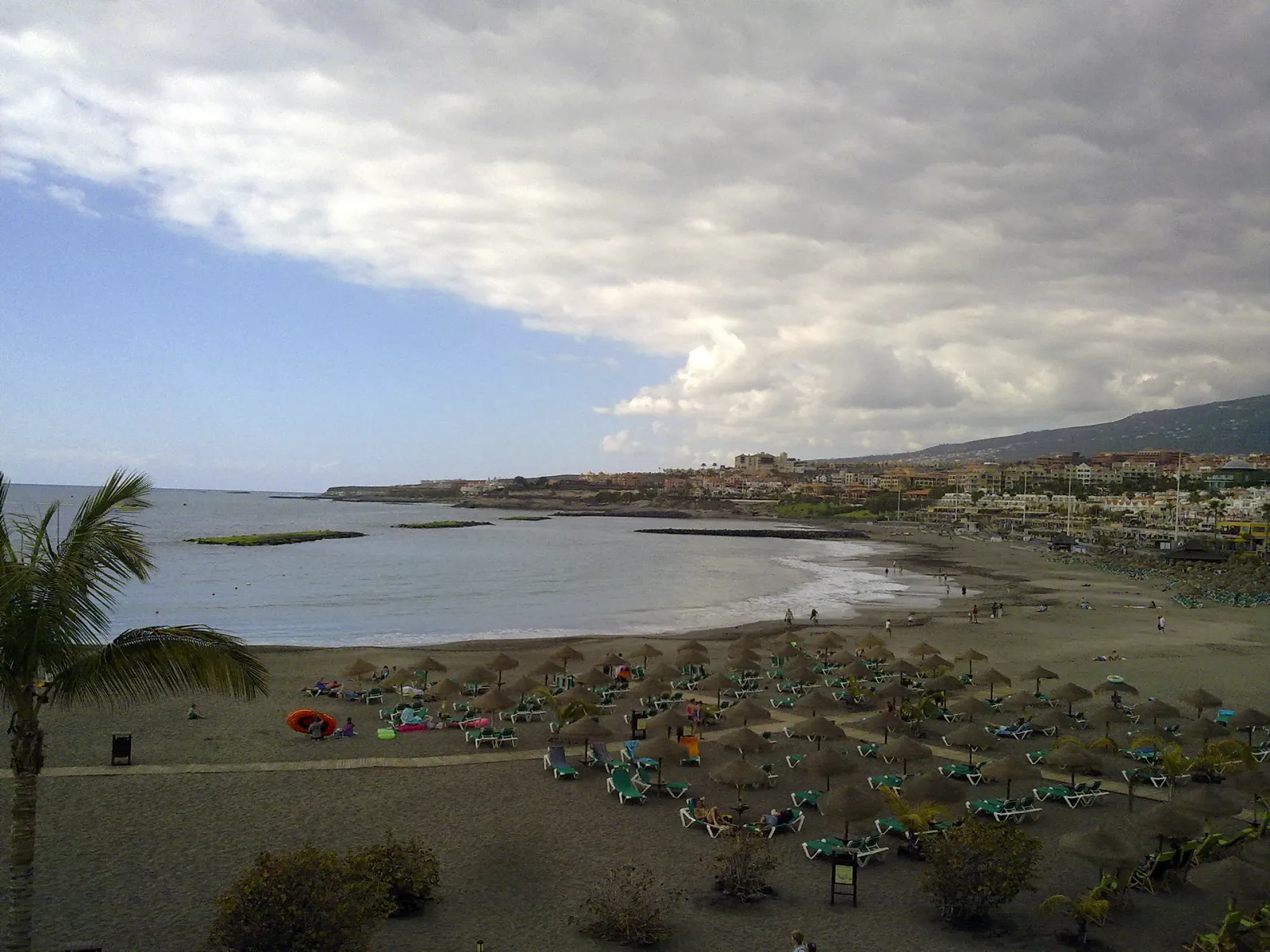
Fañabé Beach Tenerife in Costa Adeje: 600 m of calm golden sand beside Torviscas, with showers, sunbeds
-
 Beach
Playa La Pinta Tenerife
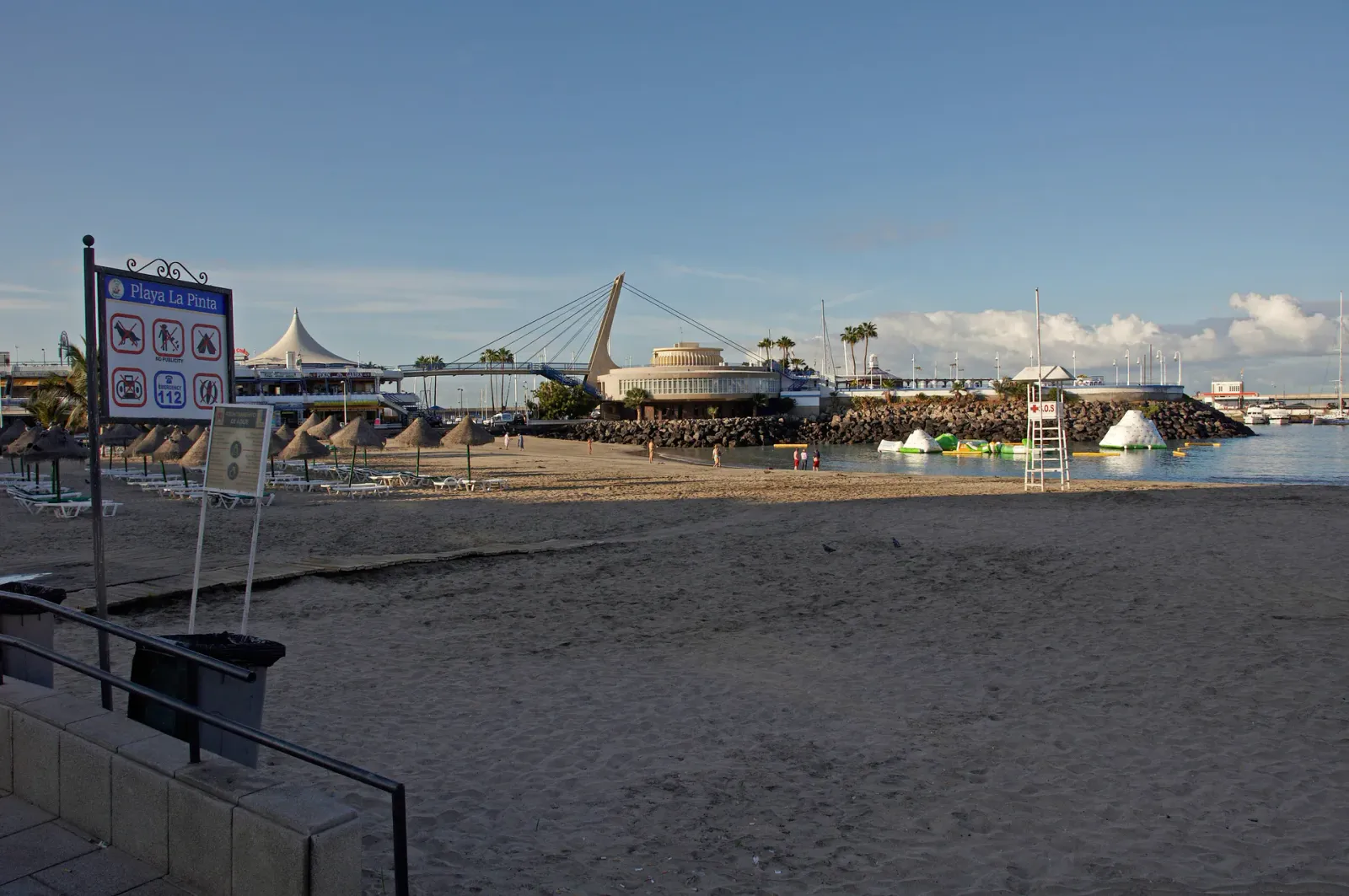
Playa La Pinta Tenerife in Costa Adeje: 180 m of calm golden sand beside Puerto Colón
-
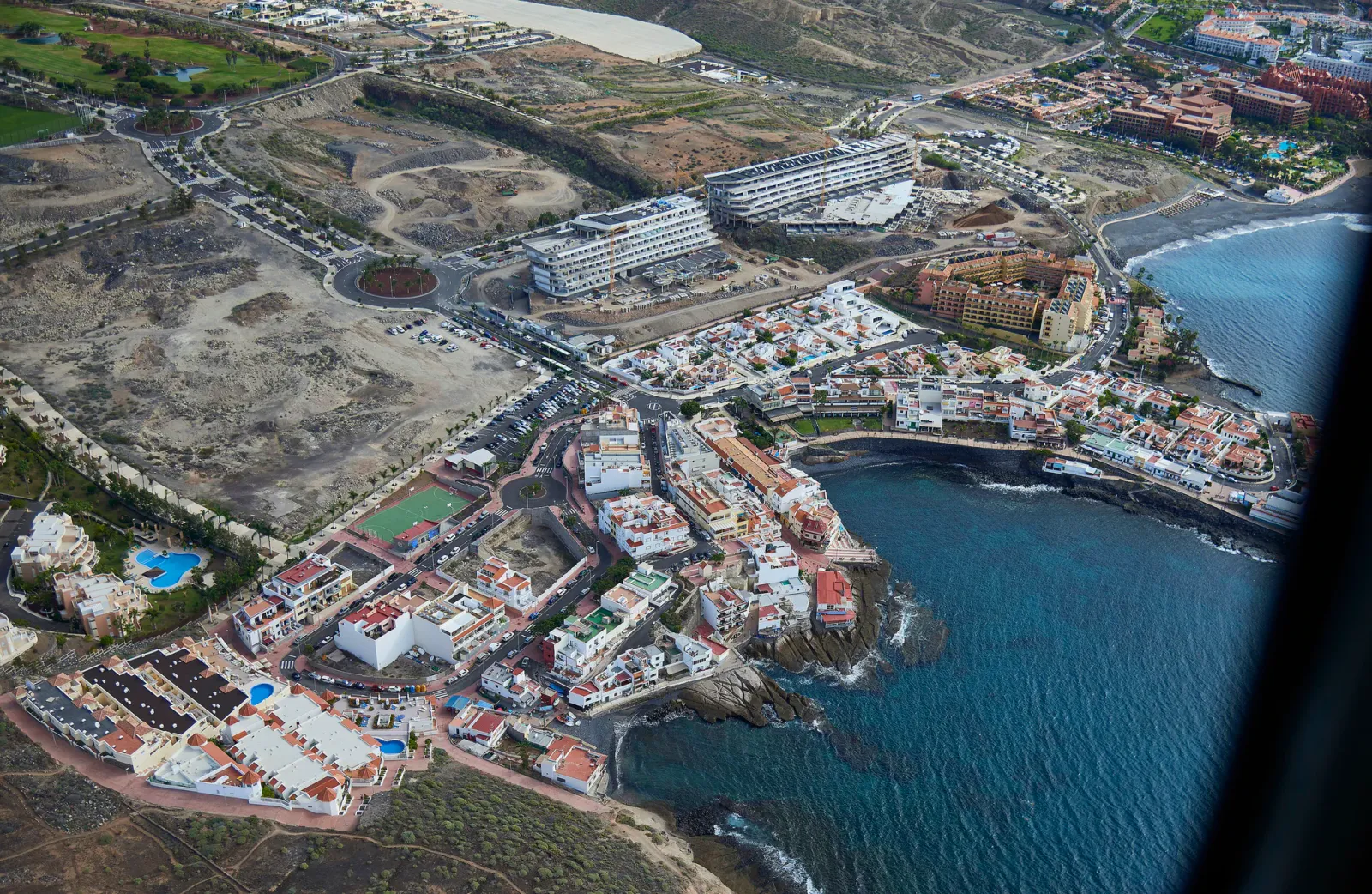 Beach
La Caleta Beach Tenerife
La Caleta beach in Adeje: a 60 m rock and pebble cove with sea steps, a big car park
-
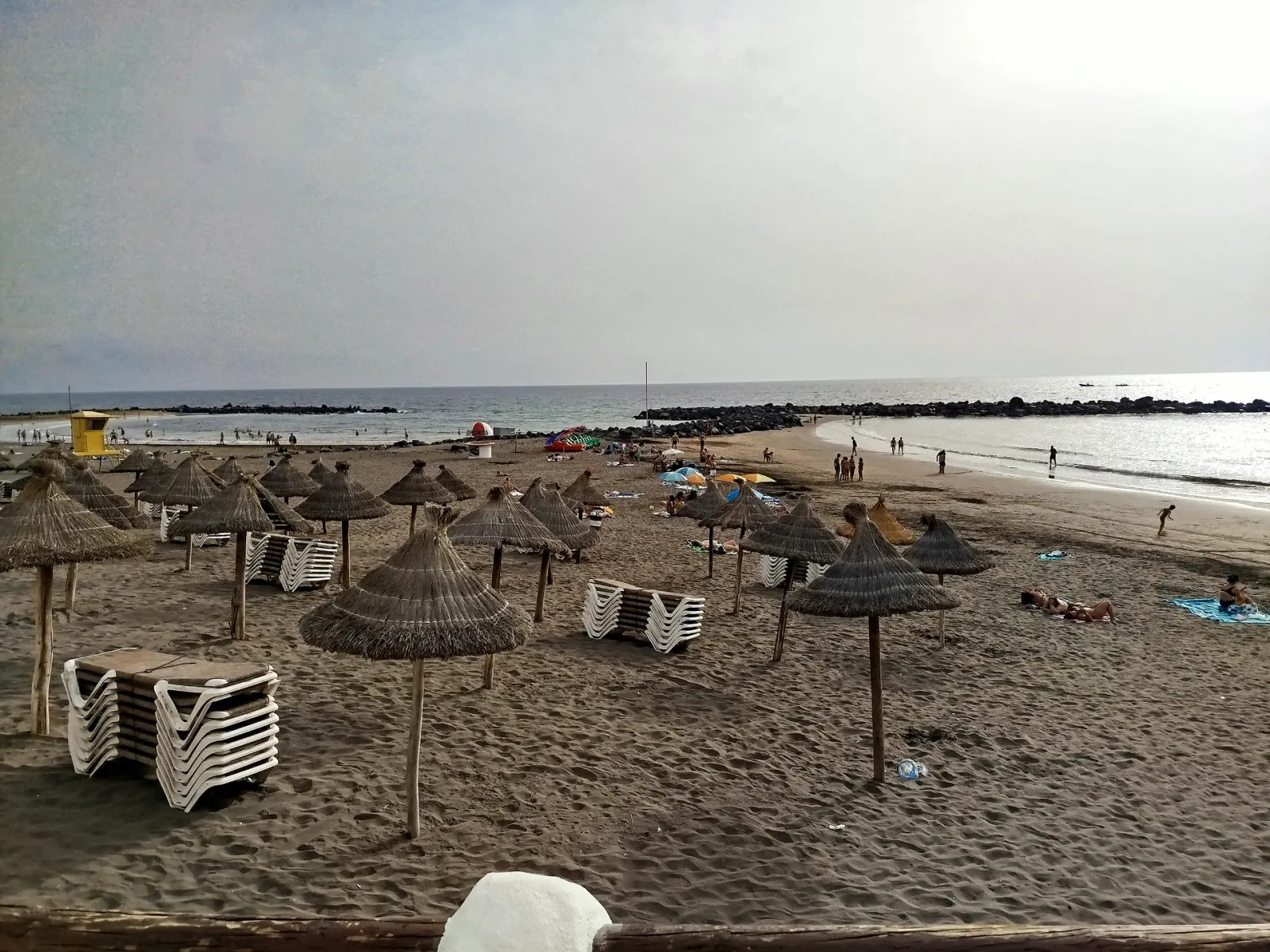 Beach
Troya Beach Tenerife
Troya Beach Tenerife in Playa de las Américas: calm breakwater water, dark volcanic sand, loungers, showers
-
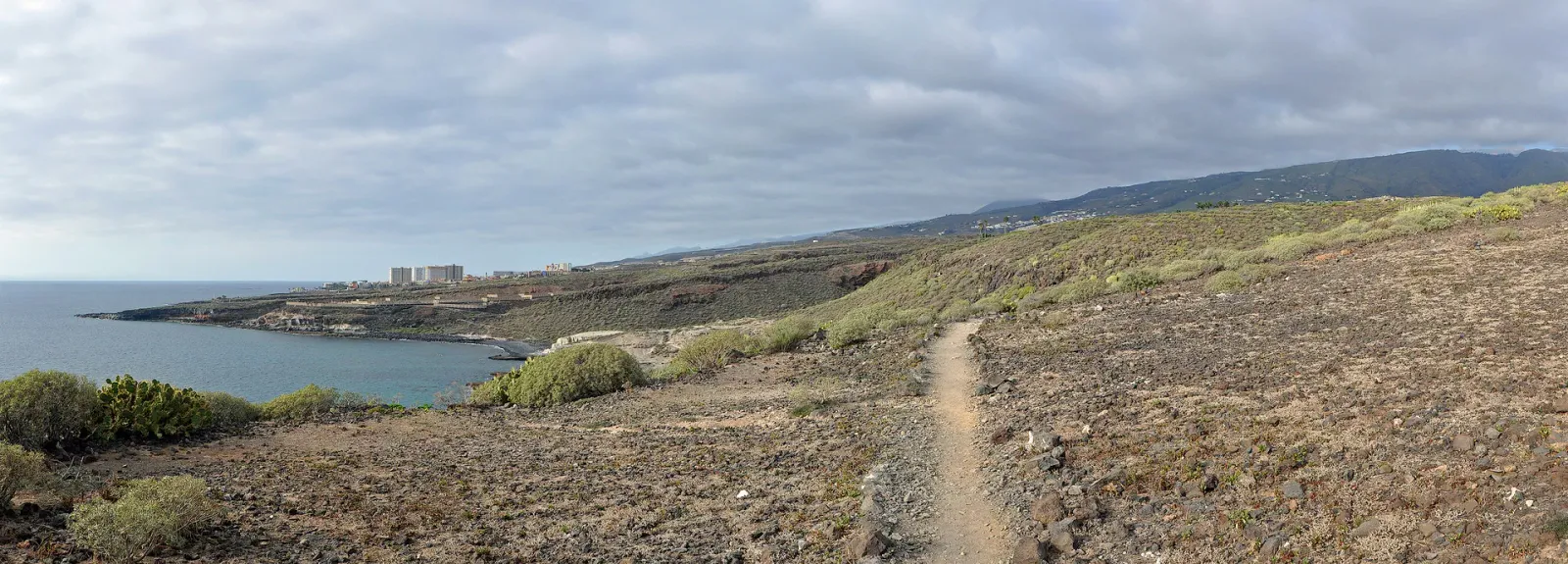 Beach
Playa Diego Hernández Tenerife
Playa Diego Hernández Tenerife: a 200 m golden-sand beach in Adeje
-
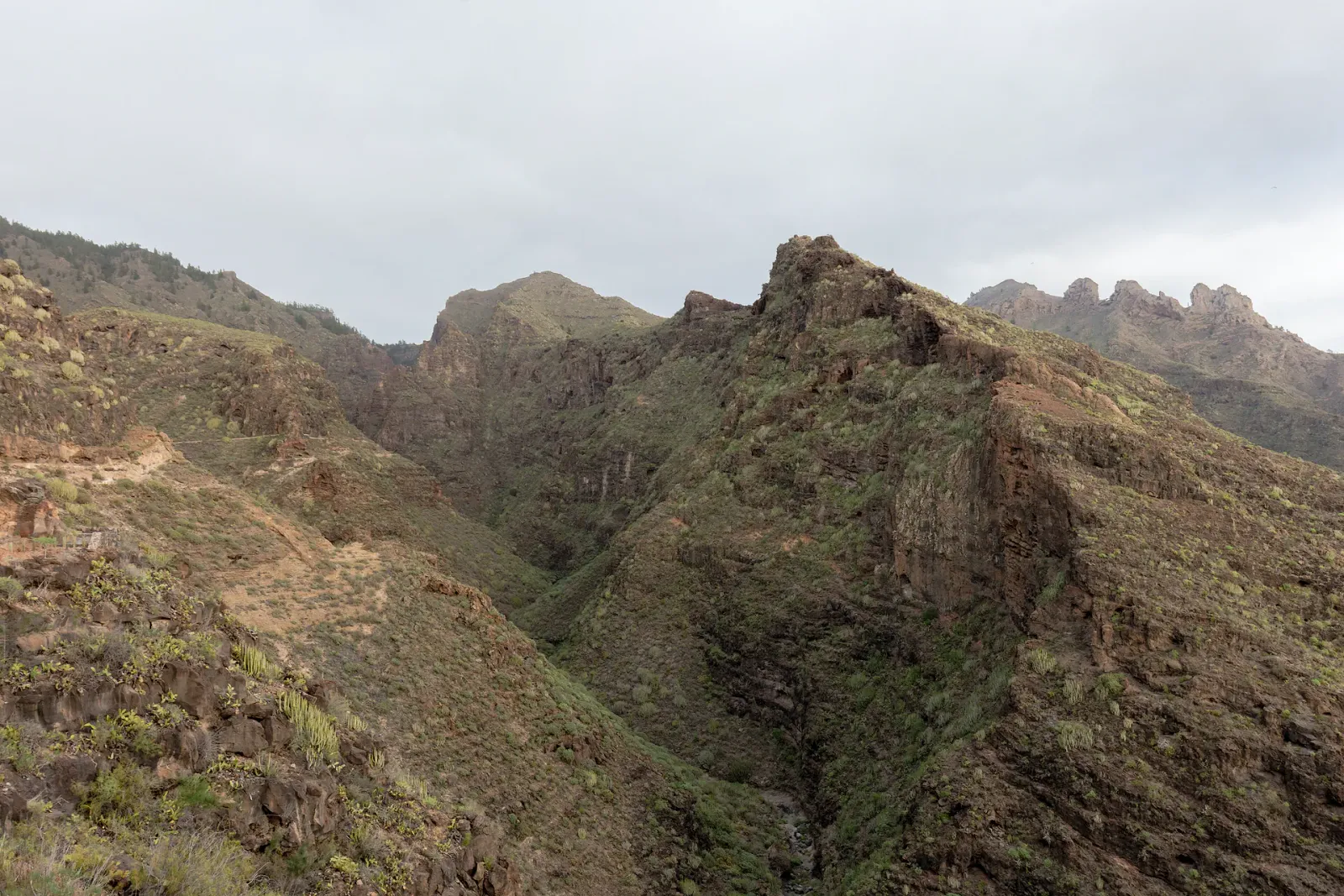 Hike
Barranco del Infierno Tenerife
Barranco del Infierno hike (6.5 km, about 3 hours): €16 tickets booked online, morning entry windows