

The story
Do you need a visa for Tenerife?
Most holidaymakers do not. Tenerife is part of Spain, so Spanish and Schengen entry rules apply. US, Canadian, Australian, New Zealand and Japanese passport holders can visit without a visa for up to 90 days in any 180-day period, and British citizens get the same visa-free allowance. What you do need is a passport in good condition and valid long enough, plus a few minutes for a biometric check at the border.
| Passport | Visa for a holiday? | Stay limit |
|---|---|---|
| UK | No | 90 days in any 180 |
| United States | No | 90 days in any 180 |
| Canada, Australia, New Zealand, Japan | No | 90 days in any 180 |
| EU citizens | No | The short-stay rule is for non-EU nationals |
| Other nationalities | Check the visa list for your passport | - |
The visa-exempt list for the US, Canada, Australia, New Zealand and Japan is Annex II of EU Regulation 2018/1806, which allows stays of no more than 90 days in any 180-day period. The UK is not on that list as a state, and the UK government’s own Spain page sets the same 90-day visa-free allowance for British citizens. If your passport is not named above, look up your nationality with the Spanish embassy or consulate in your country before you book flights.
This page covers the short holiday visit. Working in Spain has different requirements, and anything longer than 90 days needs a different route.
How long can you stay? The 90 in 180 day rule
The limit is 90 days in any rolling 180-day period, counted across the whole Schengen Area. Visits to other Schengen countries in the previous 180 days count toward the same total. It is not 90 days per country, and it does not reset when you leave Spain for a weekend.
For a one or two week holiday this never matters. It becomes a real constraint for:
- Winter-sun regulars who spend two or three months a season on the island.
- Digital nomads who move between Schengen countries.
- Anyone who toured mainland Europe for weeks before flying to the Canaries.
Count back 180 days from your planned departure date, add up every Schengen day in that window, and make sure the total, including the Tenerife trip, stays at 90 or below.
Overstaying has consequences. The UK government warns of a ban of up to 3 years from Schengen countries. Time on a Spanish residence permit or a long-stay visa does not count toward the 90 days.
Passport validity and condition
Two rules apply to the passport you arrive with. Both come from the UK government’s entry requirements for Spain, and a US-focused source gives the same two:
- It must have been issued less than 10 years before the day you arrive.
- It must be valid for at least 3 months after the day you plan to leave the Schengen Area.
The 10-year rule is the one that catches people. The UK government warns that passports renewed before 1 October 2018 may fail the check. Count from the issue date printed on the photo page, not from the expiry date.
Check the dates when you book, not when you pack. A passport that is fine today can fail the 3-month rule for a trip in the new year, and renewing takes time you may not have. Your airline can refuse to board you, and a border officer can refuse entry.
EES biometric checks and ETIAS
The Entry/Exit System (EES) is the reason border control takes a little longer. The European Commission states that EES became fully operational on 10 April 2026. It replaces passport stamping for non-EU nationals on short stays across 29 European countries, and Spain is one of them.
What to expect on arrival:
- Your fingerprints and a facial image are recorded, together with your passport data.
- Registration is free.
- Your digital record is valid for 3 years.
- Children aged 11 or under are not fingerprinted but may be photographed.
- The system records the date and place of each entry and exit, plus any refusal of entry, so overstays are detected automatically instead of from stamps.
The UK government tells travellers to expect longer waits at the border on both entry and exit. Do not book a tight onward connection straight after landing, and allow extra time at the airport on the way home. EES covers non-EU nationals, so EU citizens are not registered.
ETIAS is a different system: an online travel authorisation for visa-exempt travellers, EUR 20, valid for 3 years. It is not in operation yet and no applications are being collected, so there is nothing to apply for today. Once it opens, it will apply to the nationalities that travel visa-free now, and the official EU portal is the place to check the start date.
Children and minors
Spanish law treats anyone aged 17 and under as a minor. That matters most when a teenager travels without a parent: the UK government warns that unaccompanied minors who come to the attention of the authorities may be placed in a minor’s centre until a parent or guardian is found.
For EES, children aged 11 or under are photographed but not fingerprinted. Older children register like adults. Under-17s are also excluded from the tobacco and alcohol allowances when carrying goods out of the islands (see the customs section below).
Health insurance and what to carry
Border officers can ask for a return or onward ticket, proof of travel insurance and enough money for the stay. The amount varies by accommodation. They can also ask for a hotel booking, or an address and a host’s invitation if you stay with someone. One secondary source lists proof of funds at EUR 122 per person per day, with a floor of EUR 1,099 for stays of 9 days or more (2026 figures). Most resort visitors are never asked, but a screenshot of your booking and return flight costs nothing to keep on your phone.
Carry these in hand luggage:
- Passport and the booking confirmation for your first night.
- Return or onward flight details.
- Travel insurance certificate with the emergency phone number.
- A UK GHIC card if you are British.
- A debit or credit card as well as some cash.
British travellers should know what the GHIC does and does not do. The NHS says it covers medically necessary state healthcare, and you may have to pay where local residents would also pay. It does not cover being flown back to the UK, treatment in private facilities, or mountain rescue. The NHS calls it “not a replacement for travel insurance”. That gap matters on an island where many visitors hike (see our Mount Teide guide).
If you carry EUR 10,000 or more in cash or travellers’ cheques, declare it, or risk seizure when you leave.
Canary Islands customs and tax
Tenerife is inside the EU customs territory but has its own consumption tax. The Spanish Tax Agency states that VAT applies on the Spanish mainland and the Balearic Islands, but not in the Canary Islands, where IGIC (the Canary Islands General Indirect Tax) applies.
It matters most when you travel on to mainland Spain. The Tax Agency’s allowances for travellers arriving from the Canary Islands by air or sea are:
- Goods up to EUR 430 per person (EUR 150 for travellers under 15).
- Tobacco: 200 cigarettes, or 100 cigarillos, or 50 cigars, or 250 g of smoking tobacco.
- Alcohol: 1 litre of spirits above 22%, or 2 litres of drinks below 22%, plus 4 litres of still wine and 16 litres of beer.
- Under-17s cannot use the tobacco or alcohol allowances.
If you fly home from Tenerife to the UK or the US, the rules of the country you land in apply, so check them before you buy goods for the suitcase.
Official sources to check before flying
Entry rules change faster than guidebooks. Before you book and again a week before departure, check:
- The UK government entry requirements for Spain, if you hold a British passport.
- The European Commission Entry/Exit System page for the border system.
- The Spanish embassy or consulate website in your country, if your passport is not on the visa-exempt list.
- Your airline’s passport check, the last gate before boarding.
Once the paperwork is sorted, the next questions are practical. For flights, airports and ferries, read Getting to Tenerife: Flights, Airports and Ferries. To set your clock before you land, see Time in Tenerife: Time Zone, Difference to the UK and Daylight Saving. For the island’s position off Africa there is Where Is Tenerife? Location, Map and Quick Facts, and Where to Stay in Tenerife: Best Areas by Trip Type helps with the first-night address border officers may ask for.
FAQ
Do I need a visa for Tenerife as a British citizen?
No. British citizens can visit for up to 90 days in any 180-day period without a visa. Your passport must be less than 10 years old on arrival and valid for at least 3 months after you leave.
Do Americans need a visa for Tenerife?
No. US citizens can stay up to 90 days in any 180-day period without a visa. The passport rules are the same: issued within the last 10 years and valid 3 months beyond your departure from the Schengen Area.
Do I need a different visa because Tenerife is in the Canary Islands?
No. The Canary Islands are part of Spain, so the standard Spanish and Schengen rules apply. Only the tax differs: IGIC replaces VAT.
Will my passport be stamped in Tenerife?
No. Since the EES became fully operational on 10 April 2026, a digital record replaces passport stamps for non-EU short-stay visitors.
Is ETIAS required for Tenerife?
Not yet. ETIAS is not in operation and no applications are collected. It will cost EUR 20 and last 3 years once it starts.
More guides
-
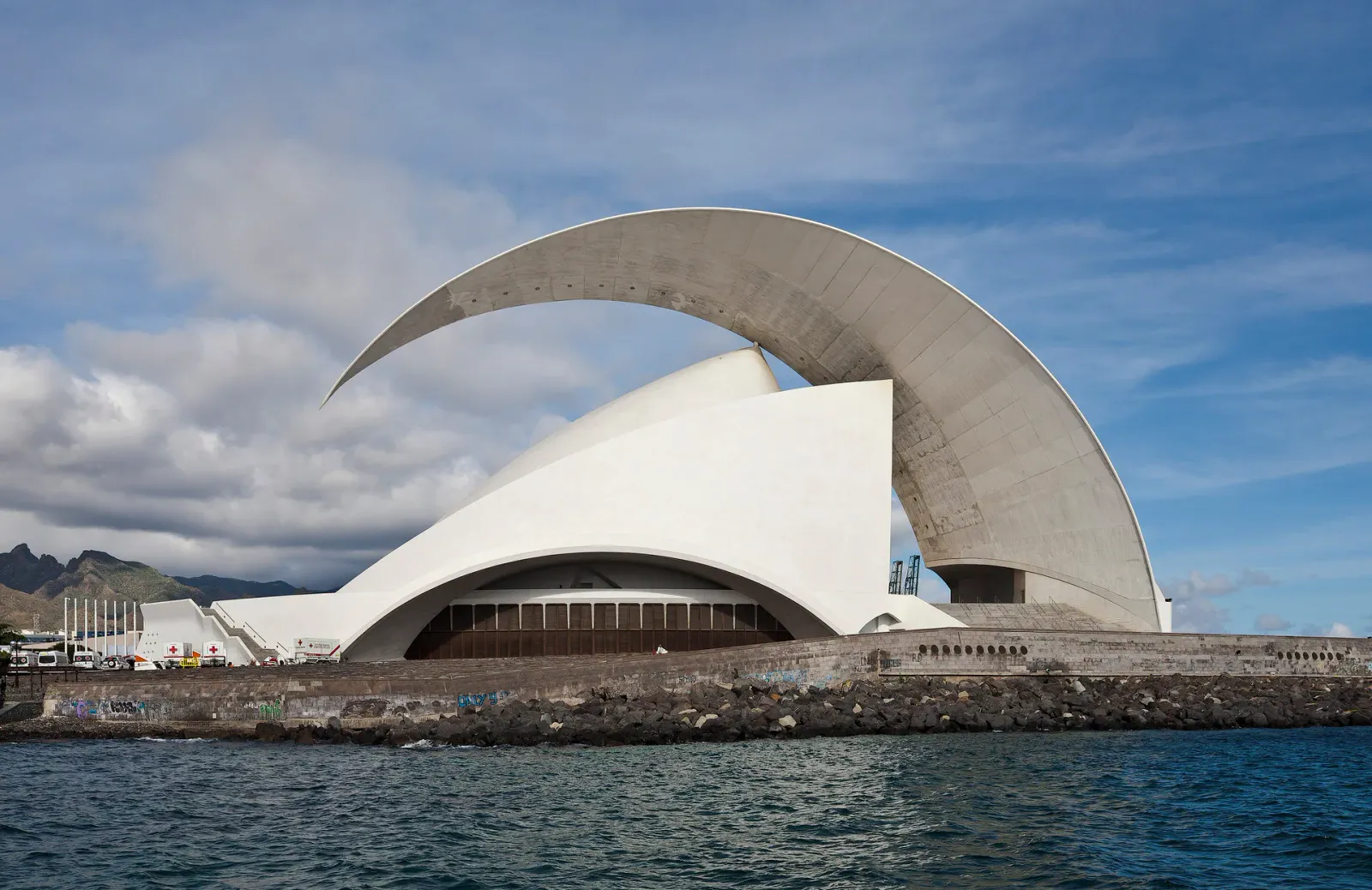 Travel Guides
Tenerife Time Difference
Tenerife time difference: 0 hours from the UK, 1 hour behind mainland Spain and Germany
-
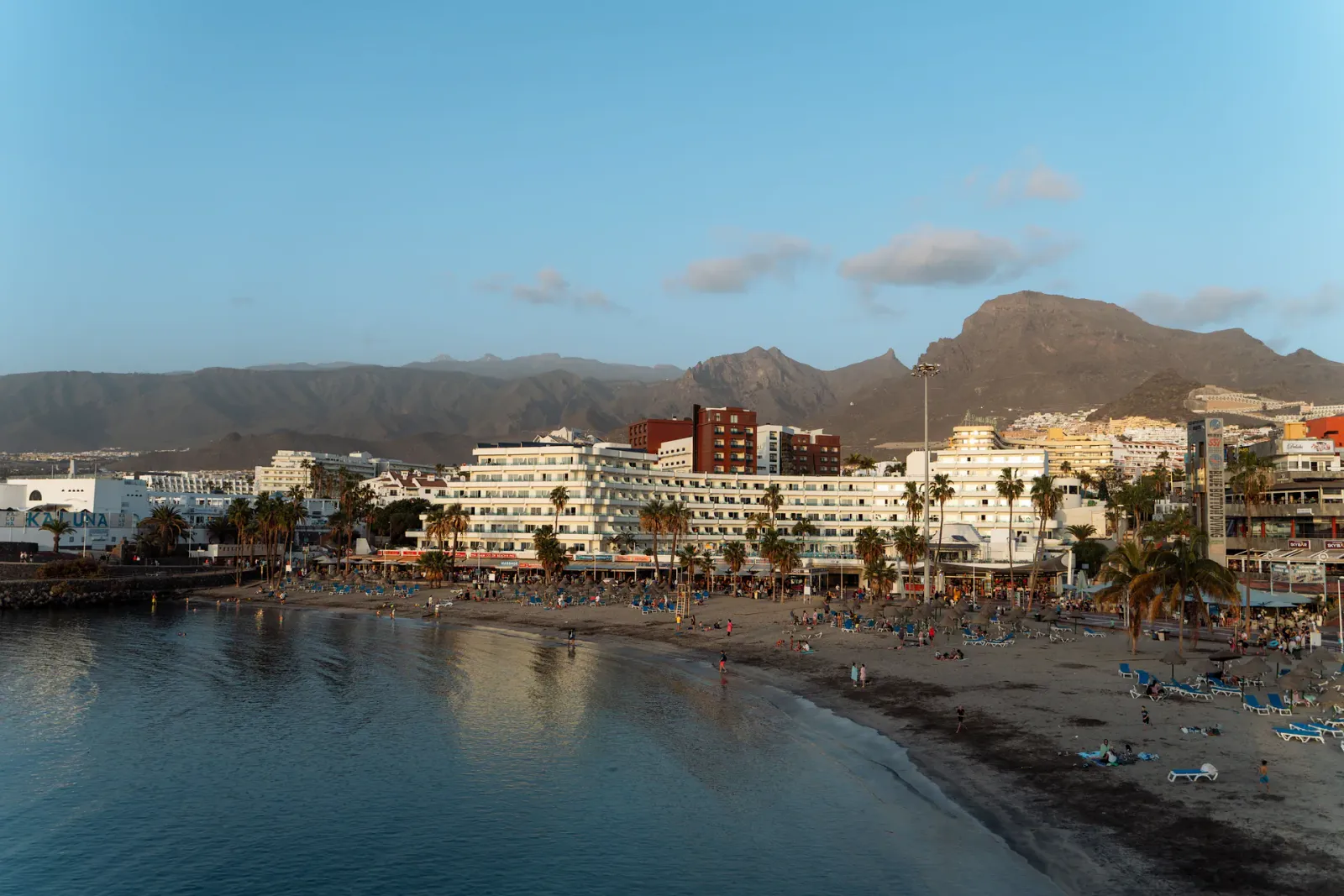 Travel Guides
Best Time to Visit Tenerife
Best time to visit Tenerife: May, June and September-October bring 24-28 C, warm seas and lower crowds
-
 Travel Guides
Itinerary Tenerife
Itinerary Tenerife: day-by-day plans for 3, 5 and 7 days, built around driving distances
-
 Travel Guides
Best Place to Stay in Tenerife
The best place to stay in Tenerife depends on your trip: Costa Adeje for beaches
-
 Travel Guides
Flight Time to Tenerife
Flight time to Tenerife from London is about 4h20-4h35 nonstop.