
The story
Overview
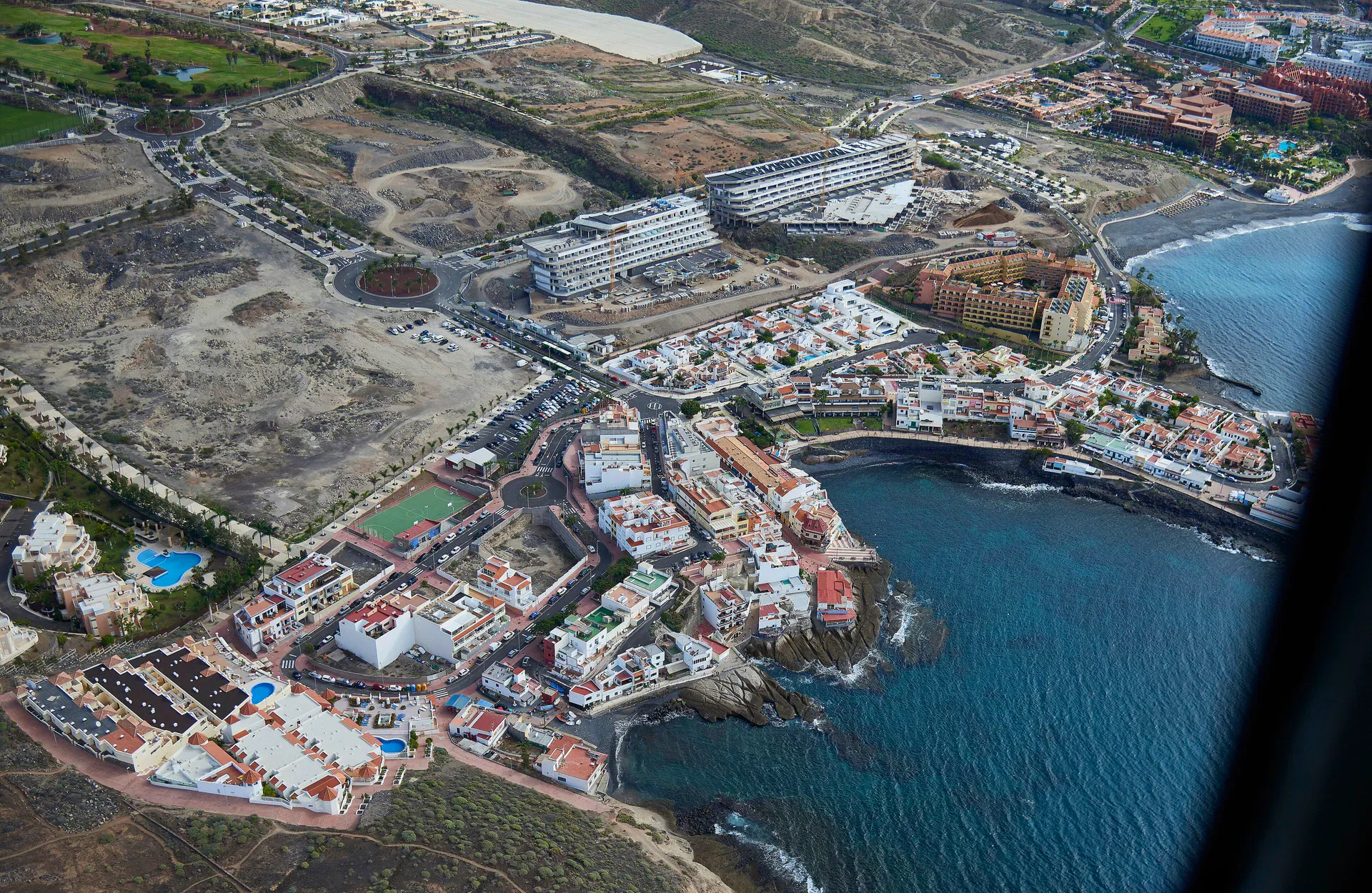
La Caleta beach Tenerife is a small rock and pebble cove at the northern end of Costa Adeje, and most people come for lunch rather than for the sand. There is no sand to speak of. The cove is about 60 m long and 20 m wide, the shore is rock, and you get into the sea by stone steps. The village behind it is the old fishing settlement of La Caleta de Adeje, and its fish restaurants are the reason the place has a following.
Go if you want a short swim in clear water, a fish lunch by the sea and a sunset walk. Skip it if you need a sunbed, soft sand or a long beach to walk along. For that, head south to Playa de Fañabé, Costa Adeje’s long family beach.
Getting there and parking
La Caleta sits at the end of a paved road that runs along the coast from Los Cristianos, so the way in is simple and the village is a dead end. Spain’s national tourism portal rates access on foot or by car as easy, and lists the nearest marina, Puerto Colón, about 5.5 km away.
By car
A large parking area sits next to the beach, which is unusual for Costa Adeje. Its size is a practical reason to choose La Caleta over the busier beaches farther south. No tariff is published for it, so check the signs when you arrive. The village streets are narrow and are the only fallback when it is full.
By bus
TITSA line 467 is the direct link. The route is Costa del Silencio, Las Galletas, El Fraile, Guaza, Los Cristianos, San Eugenio, Costa Adeje (Estación) and then La Caleta de Adeje, where it ends. TITSA gives the full run as about one hour. In the daytime the timetable shows departures about every 20 minutes on weekdays, weekends and holidays, with the first weekday bus leaving Costa del Silencio around 05:20. Pick up the exact times for your stop on the line 467 page of TITSA, because a few departures have route notes.
La Caleta beach Tenerife: size, rock and sea
This is a very small beach. The national portal lists 60 m long and 20 m wide, composed of pebbles, and OpenStreetMap maps it at 70 m. You can see the whole beach at a glance.
What you actually find is a rocky shoreline with a pebble patch and stairs cut into the rock for getting in and out. Beach Atlas calls it a natural rocky beach with steps leading down into rock pools, and says those pools suit snorkelling. The water is clear and turquoise. With so little space, a few towels fill the pebbles.
There is no sand to rinse off on, and there is no water supply on the beach for rinsing after a swim, so bring a bottle of fresh water. The village has no sandy beach of its own at all.
The national portal lists calm water and slight waves. A steps-only entry is not forgiving when the water moves, so judge the sea from the top of the steps before you get in.
Swimming safely
Entry is the main risk. Stone steps and wet rock are slippery, so wear water shoes, go in and out by the steps rather than over the rock edges, and do not jump from the rocks. If the sea is breaking over the lower steps, stay on the promenade and watch from there.
The cove is not a beach where you can wade in gently, and it is not set up for small children or for anyone who needs a flat entrance. A sandy shelving beach is the better choice for them, and Playa de Fañabé fits better.
Take a phone for emergencies. Spain’s emergency number is 112, and it works from any mobile.
Fish restaurants
The restaurants are what La Caleta is known for. The village is a small fishing settlement, and the places along the front and on the streets behind it serve fish and seafood in traditional Canarian style.
- La Vieja, on Avenida Las Gaviotas in the Terrazas de La Caleta building, is a seafood restaurant with a terrace over the ocean. WebTenerife, the official Cabildo tourism site, lists it with a phone number of +34 922 71 15 48.
- Masia del Mar is a family-run seafood restaurant, and Varadero on Calle las Artes is the cheaper option in the village.
- Several restaurants sit directly by the sea, so many tables have the water in front of them. Book for sunset in high season.
Read the menu board outside before sitting down, and ask the price of any fish sold by weight before you order it.
Sunset and evening
La Caleta faces west, and each evening people gather to watch the sun set behind La Gomera. The promenade along the village front is the place for it, and there is no need to be on the beach. A table on a terrace gives you the same view for the price of a meal.
The village is a quiet place after dinner, so plan the evening around the meal and the walk.
La Caleta has two feast days that change the mood. The Virgen del Carmen celebration in August includes a boat procession, music and fireworks, and in January the San Sebastián festival has a procession and a blessing of animals in the sea. Expect more people and noise on those days.
Walks to El Duque and Diego Hernández
La Caleta is the northern end of the Costa Adeje seafront, and the walks run from here in two directions.
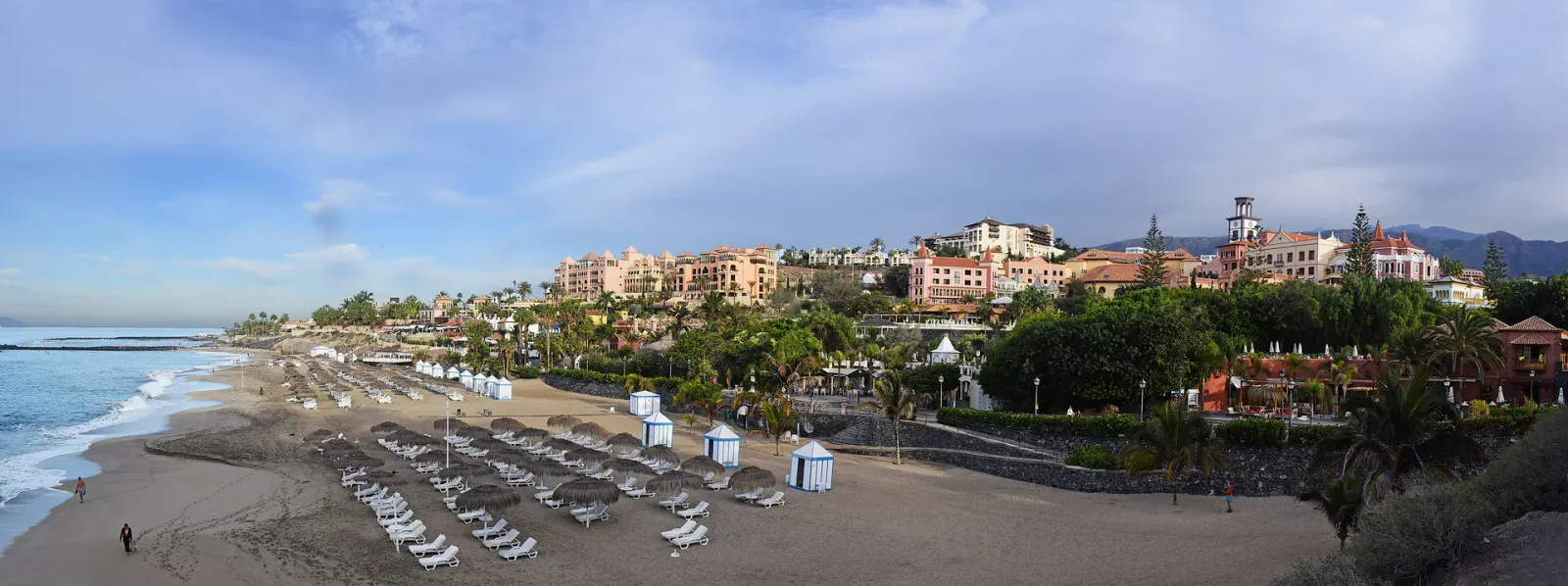
South to Playa del Duque. The beach is about 1.5 km away in a straight line. A walk along the seafront takes you past the small cove of La Enramada, a pebble beach about 600 m from La Caleta, and on to the Blue Flag sand of El Duque. The promenade also runs on to Fañabé and Torviscas, so you can reach a sunbed-and-sand beach on foot. The full beach guide is in the El Duque article: Playa del Duque.
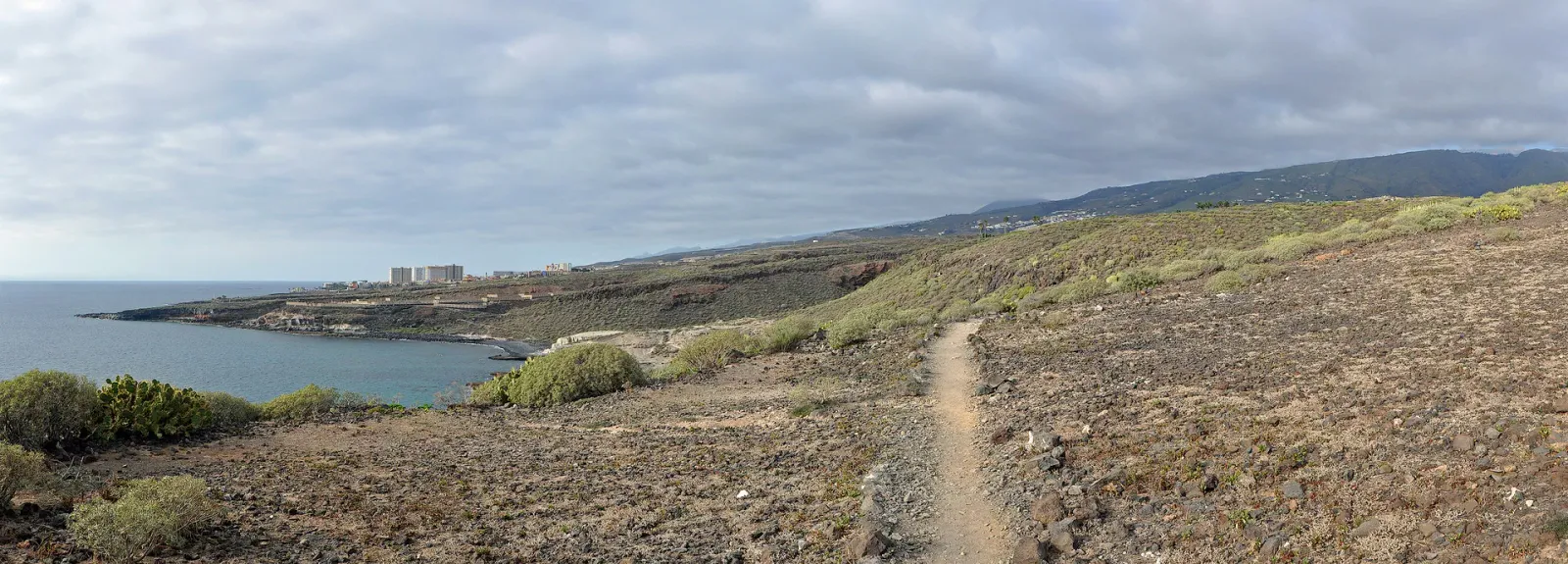
North-west to Diego Hernández. Playa Diego Hernández is about 1 km from La Caleta in a straight line. It is a golden-sand beach of roughly 200 m, but the way there is a steep, rocky path over the hill, not a road. Wear proper shoes, take water and snacks, and expect no services. Go at low tide. The beach is popular with naturists.
If you are choosing a base for walking these stretches, read the guide to where to stay in Tenerife.
Best time and what to bring
Lunch is the busy period, and sunset is the busiest time for the terrace tables. Early in the morning is the time for a swim without other people on the steps.
What to bring:
- Water shoes for the steps and rock.
- A bottle of fresh water, because there is no water on the beach.
- A towel that can sit on pebbles, or a folding mat. There is no sunbed rental listed for the cove.
- Sun cream and a hat. There is no shade on the rock.
- A table booking for sunset in high season.
Who should go and who should skip it
| Traveller | Fit | Why |
|---|---|---|
| Couples and food-led travellers | Very good | Fish restaurants, sea views, sunsets over La Gomera |
| Snorkellers | Good | Rock pools and clear water, entry by steps |
| Walkers | Good | Seafront walk to El Duque, rough path to Diego Hernández |
| Drivers | Good | Large car park next to the beach |
| Families with small children | Poor | No sand, rocky entry, steps |
| Sunbed and sand seekers | Poor | No sand, no rental listed |
| Anyone with limited mobility | Poor | Stone steps into the sea |
We write about La Caleta Beach Tenerife
-
 Beach
Playa Diego Hernández Tenerife
Playa Diego Hernández Tenerife: a 200 m golden-sand beach in Adeje
-
 Beach
Playa del Duque, Tenerife
Playa del Duque in Costa Adeje: 390 m of Blue Flag sand, calm water, €20 sunbed sets
-
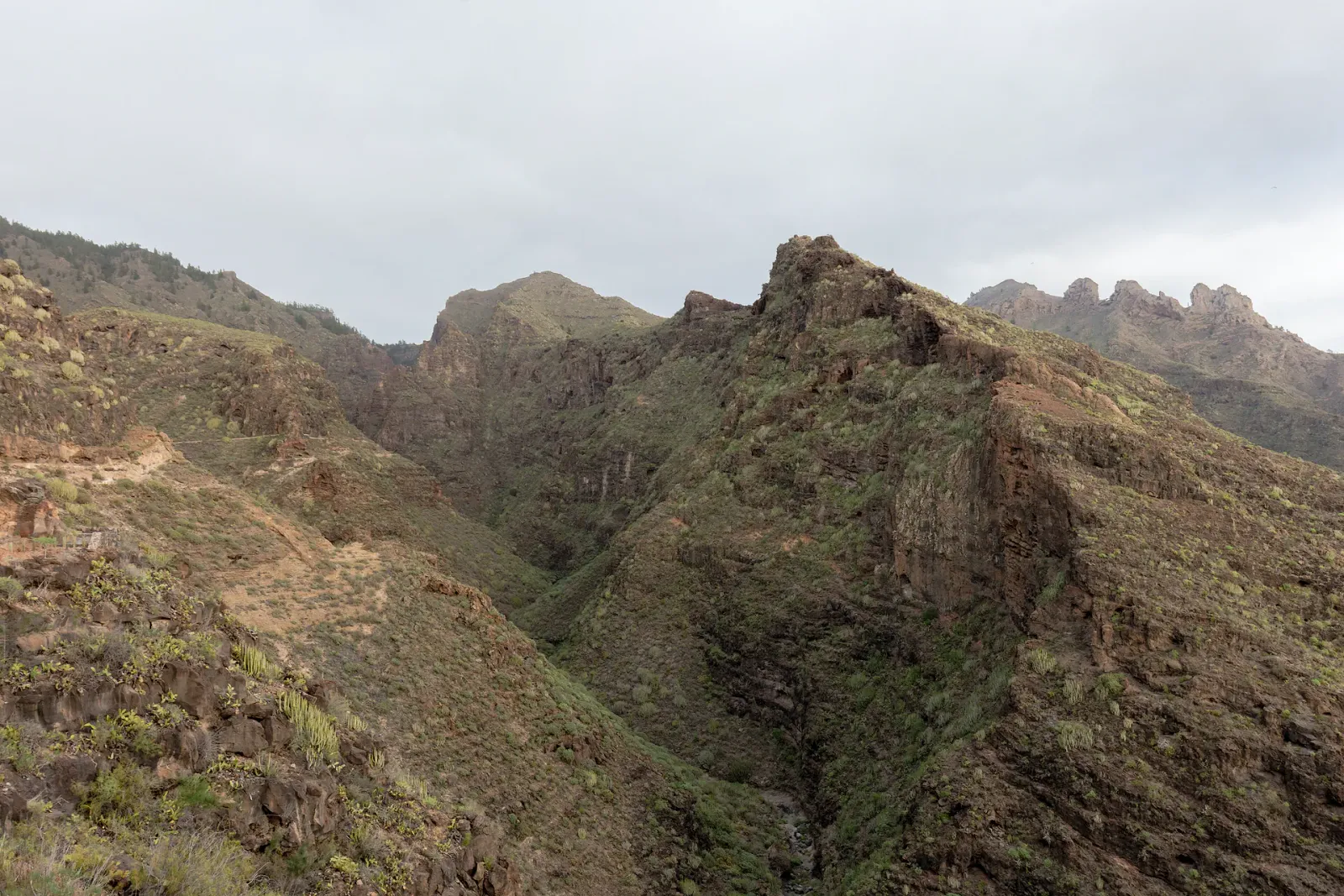 Hike
Barranco del Infierno Tenerife
Barranco del Infierno hike (6.5 km, about 3 hours): €16 tickets booked online, morning entry windows
-
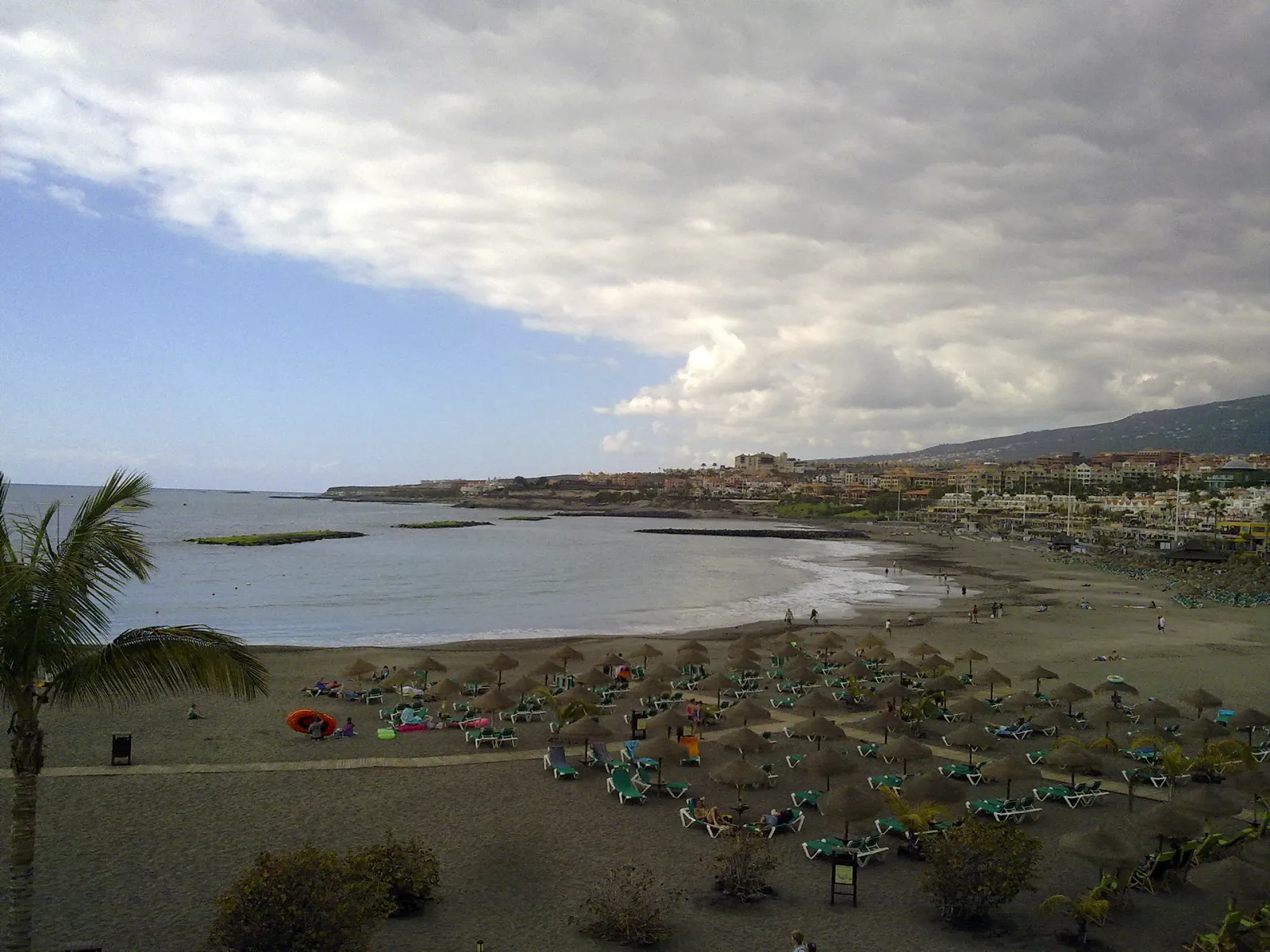 Beach
Fañabé Beach Tenerife
Fañabé Beach Tenerife in Costa Adeje: 600 m of calm golden sand beside Torviscas, with showers, sunbeds
-
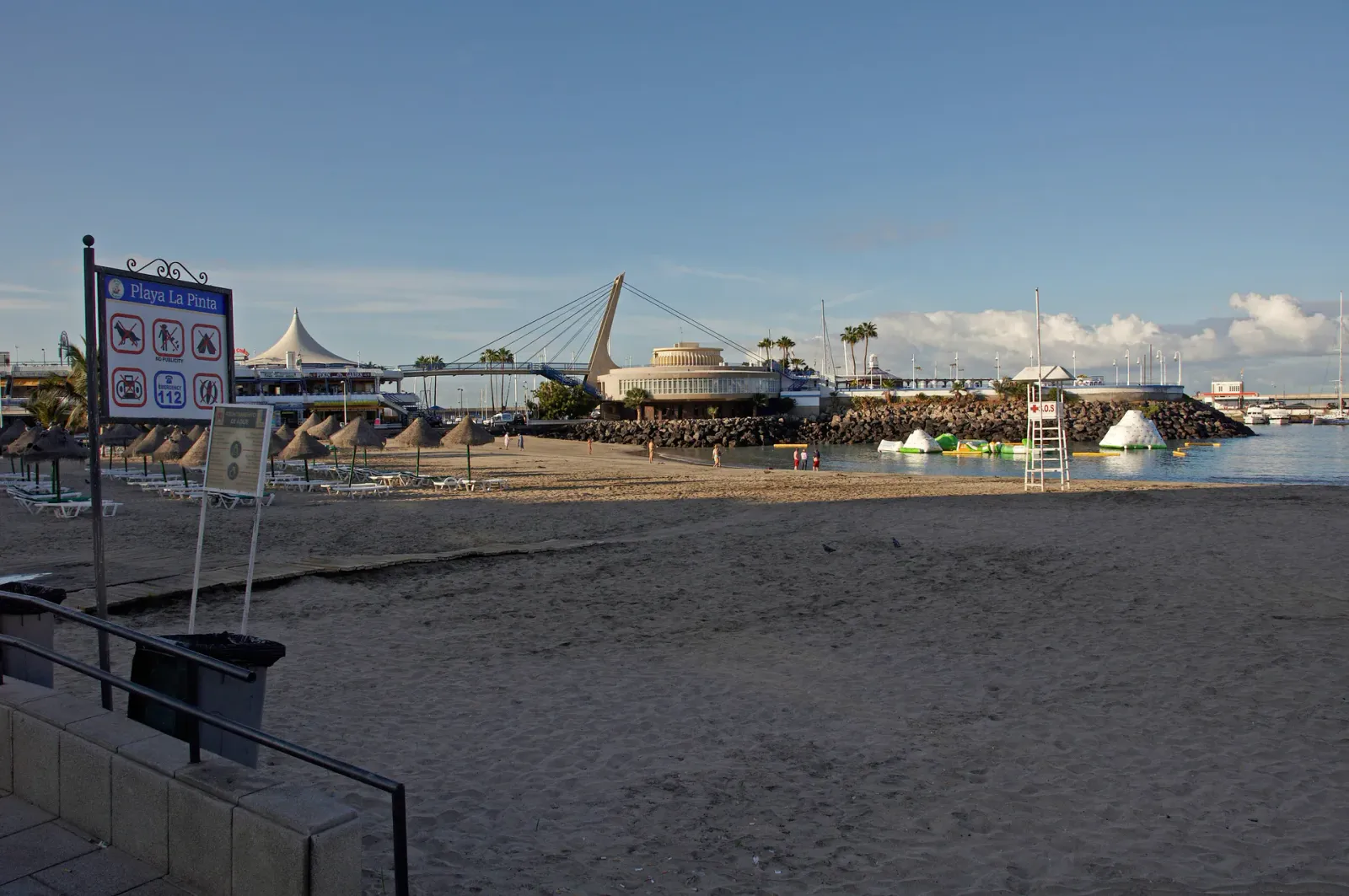 Beach
Playa La Pinta Tenerife
Playa La Pinta Tenerife in Costa Adeje: 180 m of calm golden sand beside Puerto Colón
-
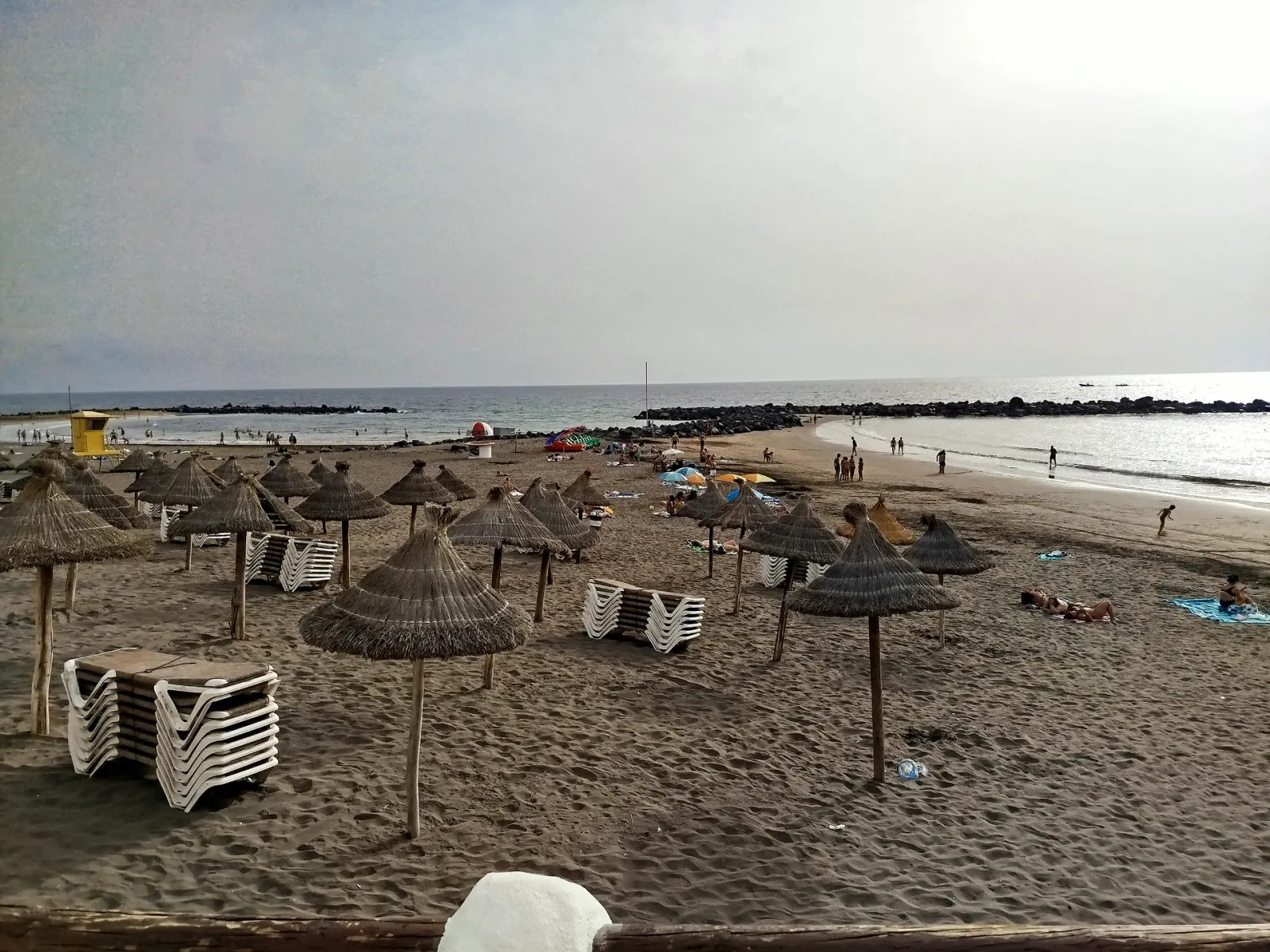 Beach
Troya Beach Tenerife
Troya Beach Tenerife in Playa de las Américas: calm breakwater water, dark volcanic sand, loungers, showers