
The story
Overview
Las Teresitas is worth the trip if you are in or near Santa Cruz and want calm water, flat access and no fee. It is a 1.3 km crescent of imported Saharan sand beside the fishing village of San Andres, 8 km northeast of Santa Cruz de Tenerife. An offshore breakwater stops the Atlantic swell, so the water is flat on most days. Entry and parking are free, and TITSA bus 910 gets you there from central Santa Cruz in about 18 minutes.
It is the city’s working beach, with no beachfront hotels. Weekday mornings are quiet. Sundays and public holidays bring thousands of local families. If you stay in the southern resorts, a round trip of two hours or more by road is only worth it if you also plan to see San Andres and the Anaga mountains. For a beach alone, the south has closer options such as Playa del Duque and the others on the beaches hub.
Saharan sand and layout
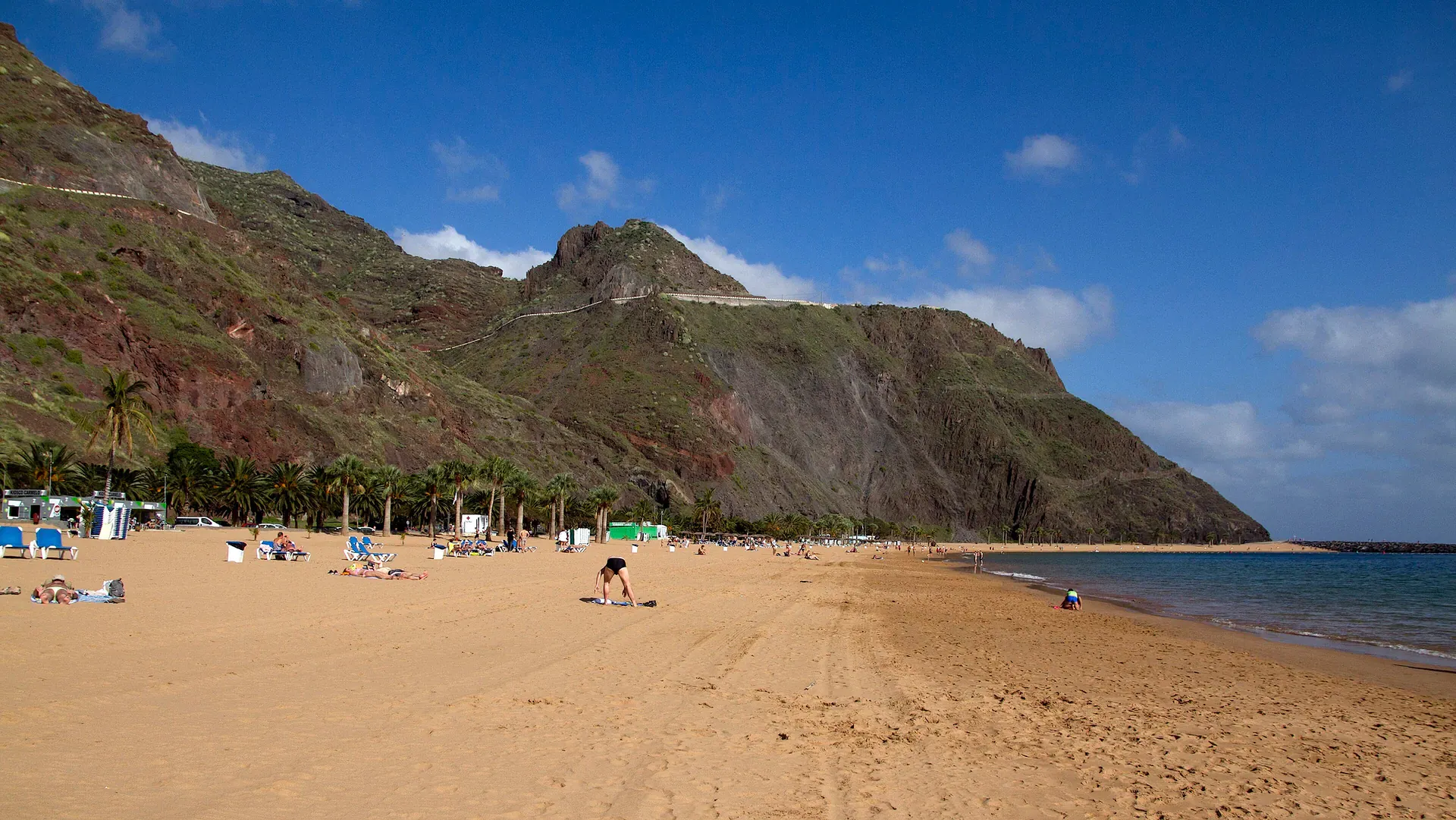
The natural shore here was dark volcanic sand and cobbles. In 1973 the city built an offshore rock breakwater and side dykes, then shipped in roughly 270,000 tonnes of pale sand from El Aaiun in the Western Sahara. The rebuilt beach opened on 15 June 1973.
According to Turismo de Tenerife, the beach is about 1.3 km long and 80 m wide. Palm trees line the upper sand next to a flat promenade and a long car park. Numbered access points run the full length, which helps when you are meeting friends.
- The sand is fine and soft, and it gets hot from June to September. Bring flip-flops for the walk to the water.
- Darker grit from the original beach can show along the waterline after winter swells.
- The end nearest San Andres fills first, because most bus passengers get off there. A 10 minute walk to the far end buys much more room, even on sunny weekends.
Swimming and safety
The breakwater sits roughly 150 m offshore and runs about 1 km along the beach. Inside it the water is nearly flat, the slope is gentle and there is no shorebreak, which makes it one of the easiest places on the island for children and weak swimmers.
Cruz Roja lifeguards staff the beach daily all year. Hours are longest in July and August (about 09:00 to 20:00) and shortest from October to May (about 10:00 to 17:00). Flags at the lifeguard posts show current conditions: green is normal swimming, yellow is caution, red means stay out. Even behind the breakwater, keep away from the outer rocks and the gaps at the ends of the dykes, where currents can pull. On windy days, check the flag before you go in.
The beach does not have a Blue Flag, whatever older travel pages say. The regional government rates the bathing water as excellent.
The bottom is flat sand, so snorkelling is basic. You may see small fish near the dykes. Paddleboards are rented when the bay is calm. Snorkellers after rocky reef are better served elsewhere on the island.
Facilities and costs
- Showers, foot taps, toilets and changing areas sit along the promenade.
- Kiosks (chiringuitos) along the sand sell drinks, coffee, ice cream, sandwiches and simple tapas.
- Sunbeds and parasols are rented in marked sections. Expect about €3 to €6 for a single sunbed and €6 to €12 for two with a parasol, depending on kiosk and season.
- Free shade sits under the palms at the back of the beach. It goes early, so bring your own umbrella if you arrive late.
- Playgrounds and bins are spread along the promenade, and the council grooms the sand.
Carry small cash as well as a card, since sunbed attendants prefer coins. There are no lockers, so keep passports and car keys with you when you swim.
Getting there
From central Santa Cruz it is 7 to 8 km along the TF-11, 10 to 15 minutes by car. From the southern resorts, take the TF-1 north and join the TF-11 at Santa Cruz. Tenerife North Airport is about 25 to 30 minutes away, and Tenerife South Airport about 50 to 55 minutes.
By bus
TITSA line 910 runs from the Intercambiador de Santa Cruz via Avenida Maritima and the San Andres waterfront to the beach. The ride takes about 18 minutes, buses leave roughly every 15 minutes in the daytime (more on hot summer days), and the first departure is around 05:45. A single costs about €1.25 to €1.50, payable by contactless card or cash. A Ten+ card costs €2, and the €10 one-day and €50 seven-day travelcards also cover this line.
From Costa Adeje or Los Cristianos without a car, take the express line 110 to the Santa Cruz Intercambiador and change to line 910. From Puerto de la Cruz, take line 102 or 103 to Santa Cruz and change. On summer Sundays the bus beats the queue of cars at San Andres.
By car
The free car park runs along the whole beach and has over 1,000 spaces. Electronic signs on the TF-11 approach show when bays are full. On weekdays outside August you can usually park by your preferred access. On sunny weekends spaces are gone by about 10:30 and traffic backs up through San Andres. Arrive before 09:30 or after 16:00.
Crowds, weather and when to go
Santa Cruz is on the sheltered east side of the Anaga ridge, so it is drier and sunnier than Puerto de la Cruz, though cloud can still sit on the mountains behind the beach. Winter highs are 20 to 22°C with sea around 20 to 22°C. Summer highs reach 24 to 27°C, and the sea is warmest in September and October at about 23 to 24°C.
In July and August the afternoon trade winds can blow sand across the open beach, so mornings are calmer. In winter the steep hills behind the beach put the sand in shade earlier in the afternoon.
For warm water and space, aim for a weekday morning in May or June, or from mid-September through October. Avoid Sunday afternoons in July and August if you want room and a parking space.
Accessibility and kids
The beachfront is flat and at road level, so it suits wheelchairs, older visitors and strollers.
- Reserved parking for reduced mobility sits near the main accesses.
- Paved promenade paths connect to boardwalks onto the sand.
- Adapted toilets and changing areas are maintained by the council.
- The council runs seasonal assisted bathing with amphibious chairs. Ask at the lifeguard post for the current dates and hours.
For babies and young children, the soft sand, shallow entry, calm water, toilets, showers and lifeguards make a full day easy. Bring water shoes for the hot sand, high-SPF sun cream and an umbrella if you want shade at midday.
San Andres and Anaga
San Andres is about five minutes on foot from the south end of the sand, a village of roughly 1,500 people with narrow streets, neighbourhood bars and family seafood places. Typical lunches are grilled catch of the day, garlic prawns, octopus and papas arrugadas with mojo sauce.
For the classic view over the crescent and the breakwater, drive about 5 minutes (2.2 to 2.5 km) up the TF-121 toward Igueste de San Andres to Mirador de Las Teresitas. Do not walk up this road. It climbs at an average of about 6.7% with tight bends, mountain traffic and no pavement.
Just over the ridge is Playa de Las Gaviotas, a 280 m black-sand cove where nudism is customary. It has open surf and a steep path down from the TF-121, so it is a different beach from Las Teresitas.
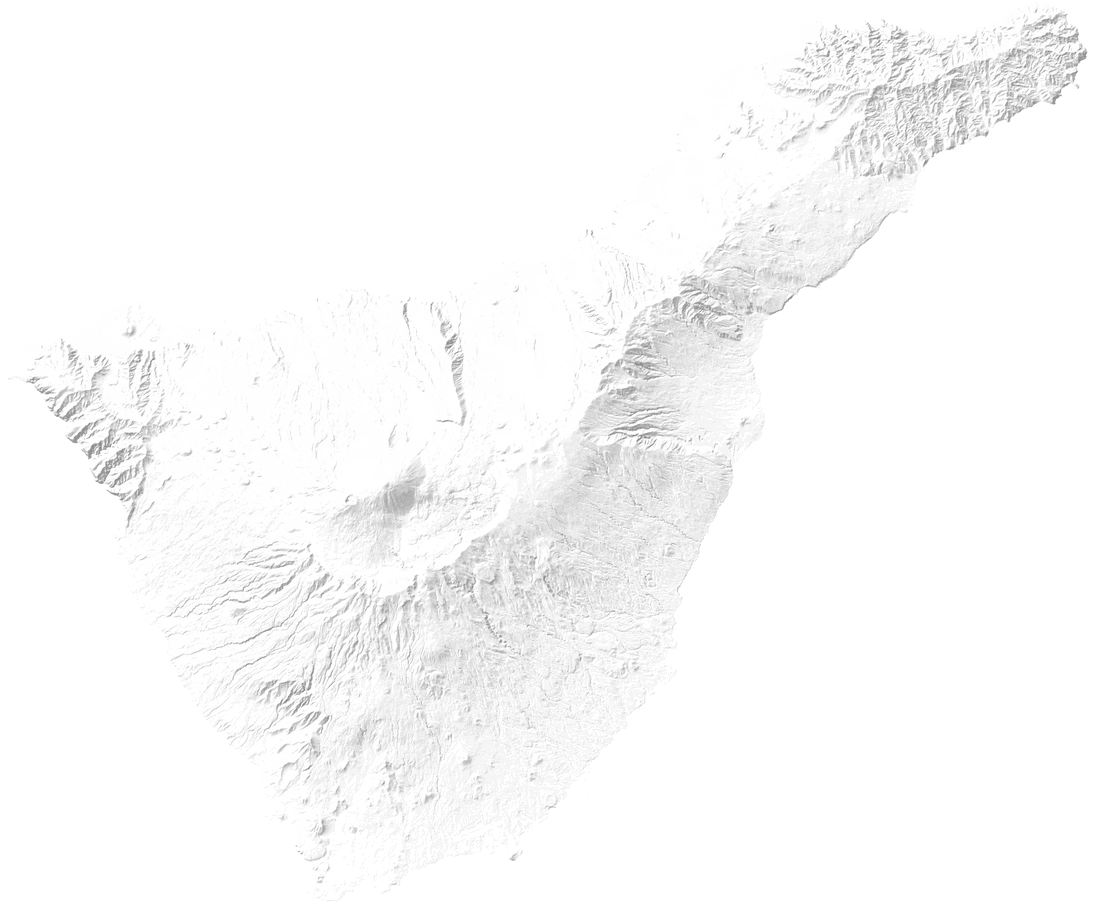
San Andres sits at the eastern foot of Anaga Rural Park, so a morning walk and an afternoon swim go well together. The short boardwalk loop at Sendero de los Sentidos is the easiest way in. If you have a car, cross the mountains to the wild north coast for Playa de Benijo and the coastal route Benijo to Faro de Anaga. See the map to plan the drive.
Who should go and who should skip it
Go if you are:
- A family with young children who want flat water, lifeguards and easy stroller access.
- Staying in Santa Cruz or La Laguna and want an 18 minute bus ride to the sea.
- A visitor with reduced mobility who needs flat access and boardwalks onto the sand.
- Coming down from Anaga and want a calm swim and a seafood lunch.
Skip it, or treat it as a viewpoint stop, if you want:
- Surf or strong waves. Playa de Benijo, across the Anaga ridge, is wilder but not a place for casual swimming.
- Resort hotels beside the sand. The southern coast has them.
- Natural black sand without man-made breakwaters.
- Reef snorkelling from the beach.
We write about Las Teresitas Tenerife
-
 Hike
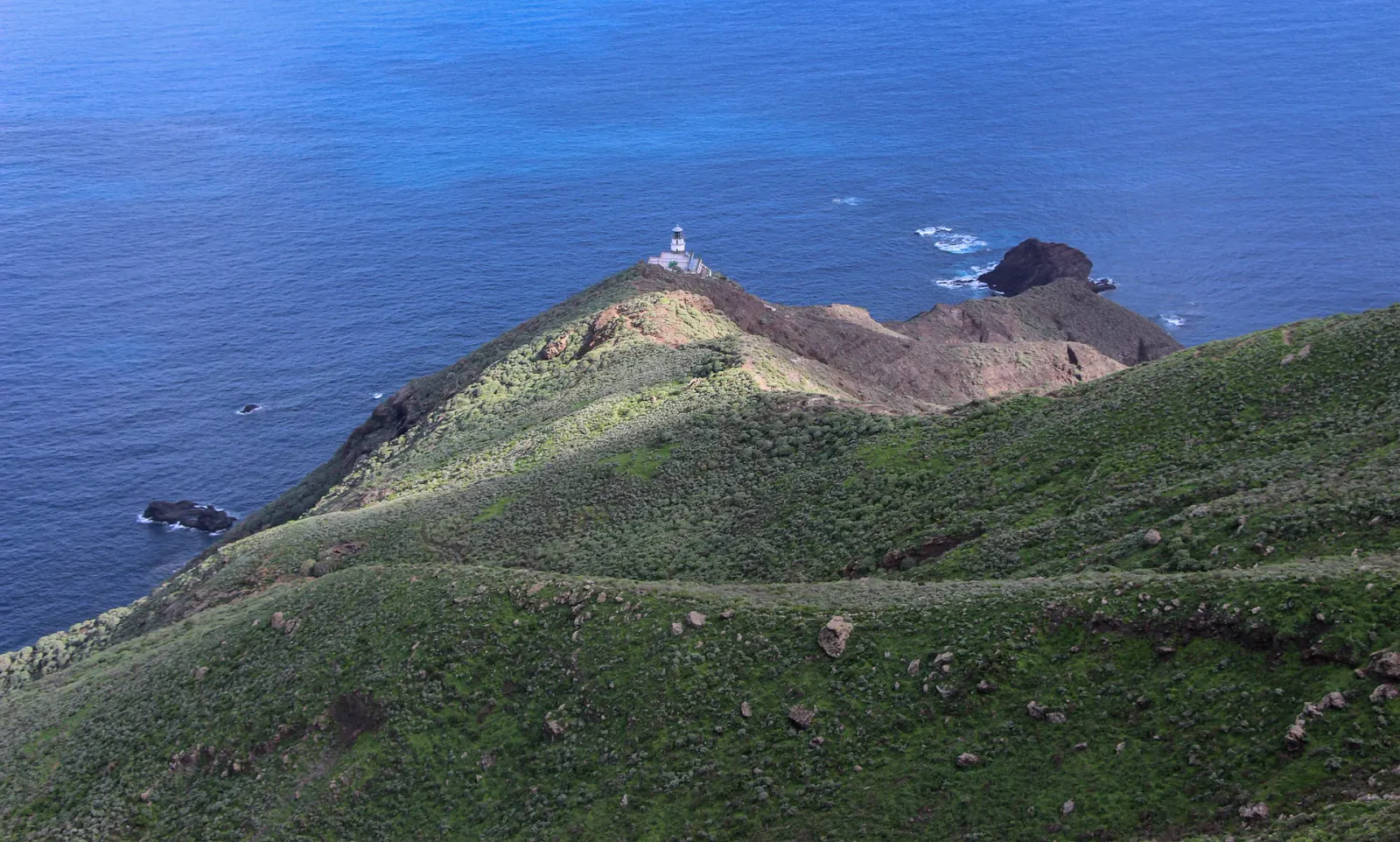
Benijo to Faro de Anaga
Hike Benijo to Faro de Anaga in Tenerife: 14.2 km loop, 1,430 m ascent, PR-TF 6 routes, El Draguillo
-
 Beach
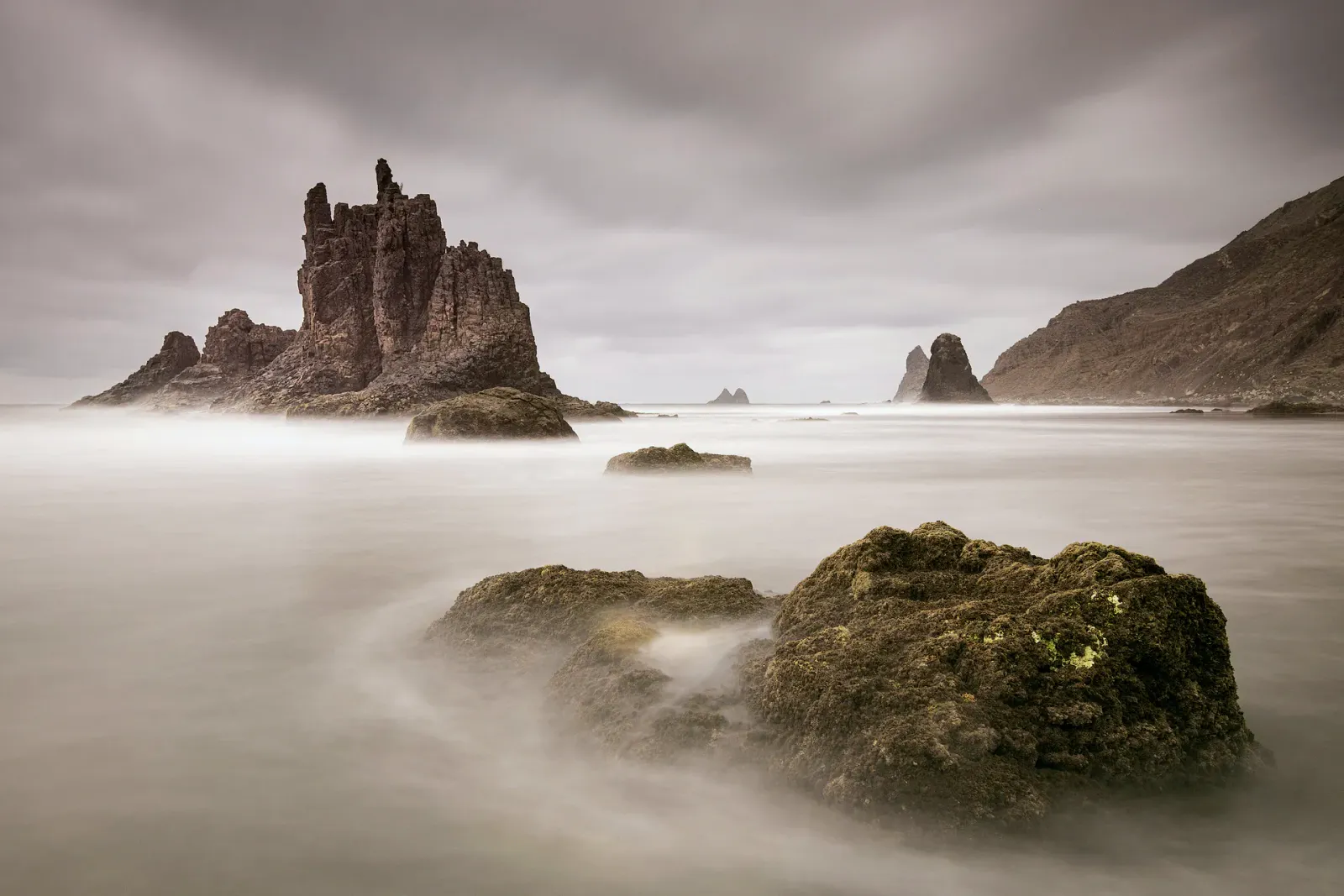
Playa de Benijo
Playa de Benijo in Anaga, Tenerife: stair closure status, rough Atlantic currents, TF-134 drive, Bus 946
-
 Hike
Sendero de los Sentidos
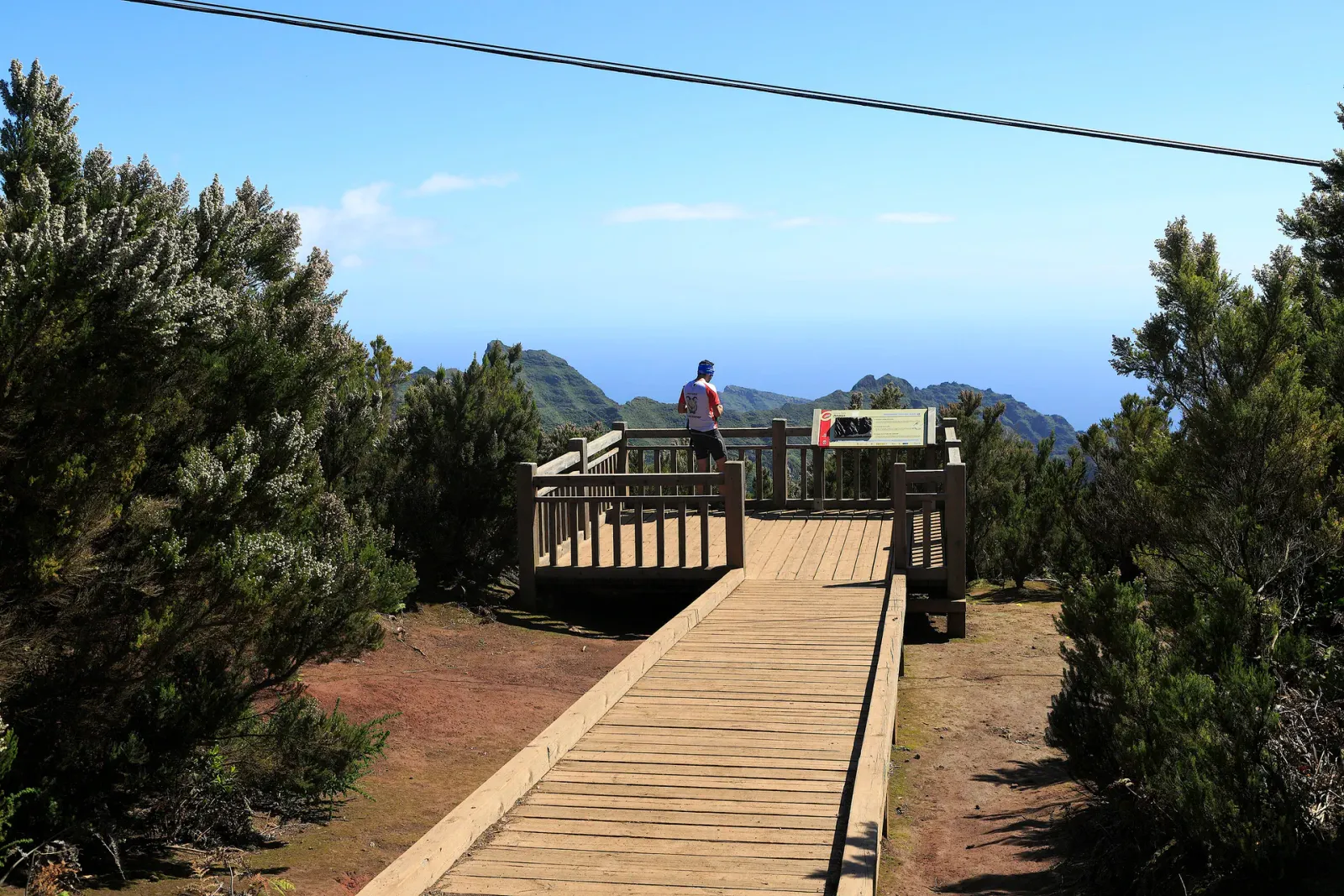
Walk Sendero de los Sentidos from Cruz del Carmen in Anaga: 3 short routes (340 m to 1.3 km)
-
 Hike
Malpaís de Güímar Hike
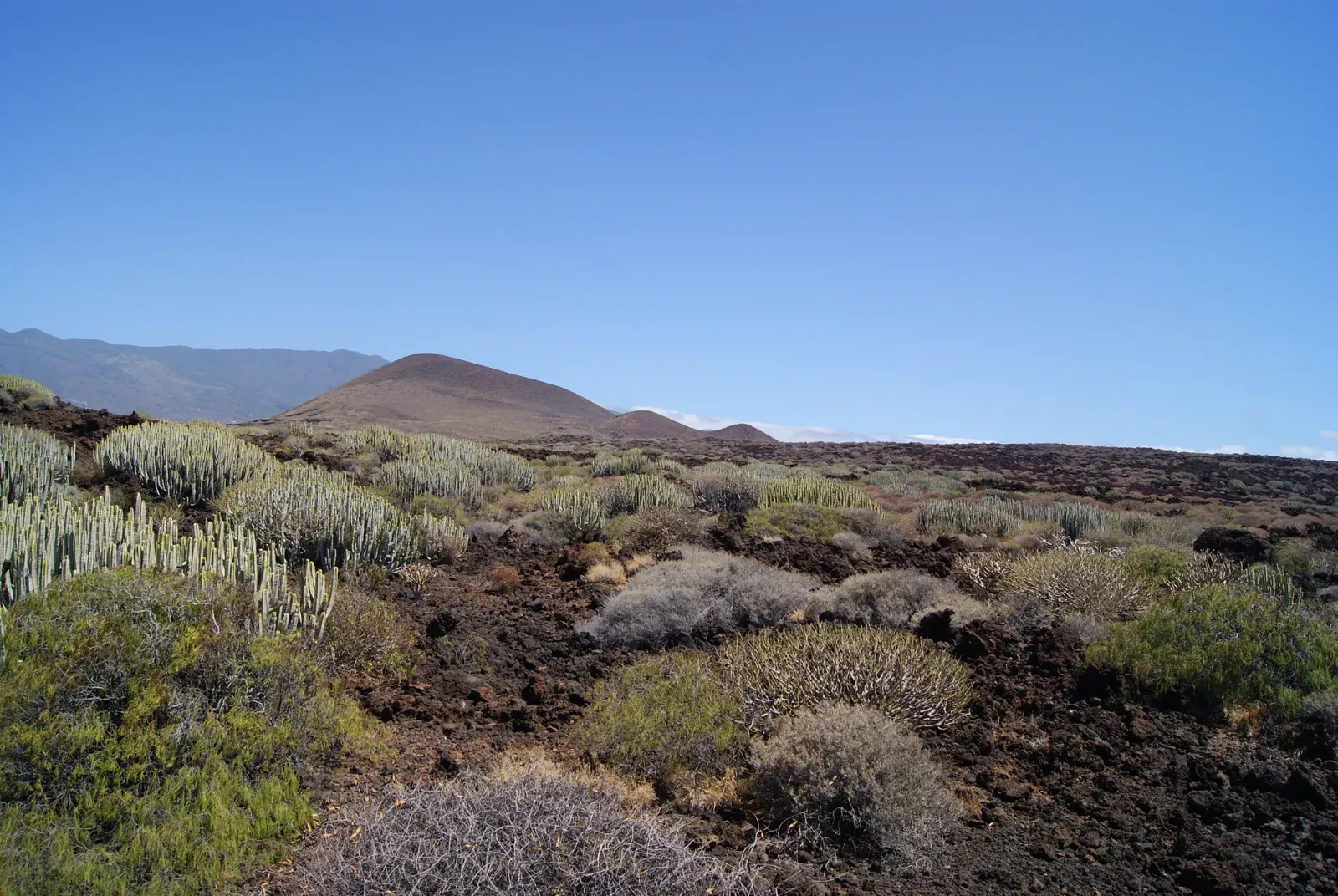
Malpaís de Güímar hike (SL-TF 900): a free 3.5 km, 1-hour loop around Montaña Grande on Tenerife's east…
-
 Beach
Playa El Bollullo
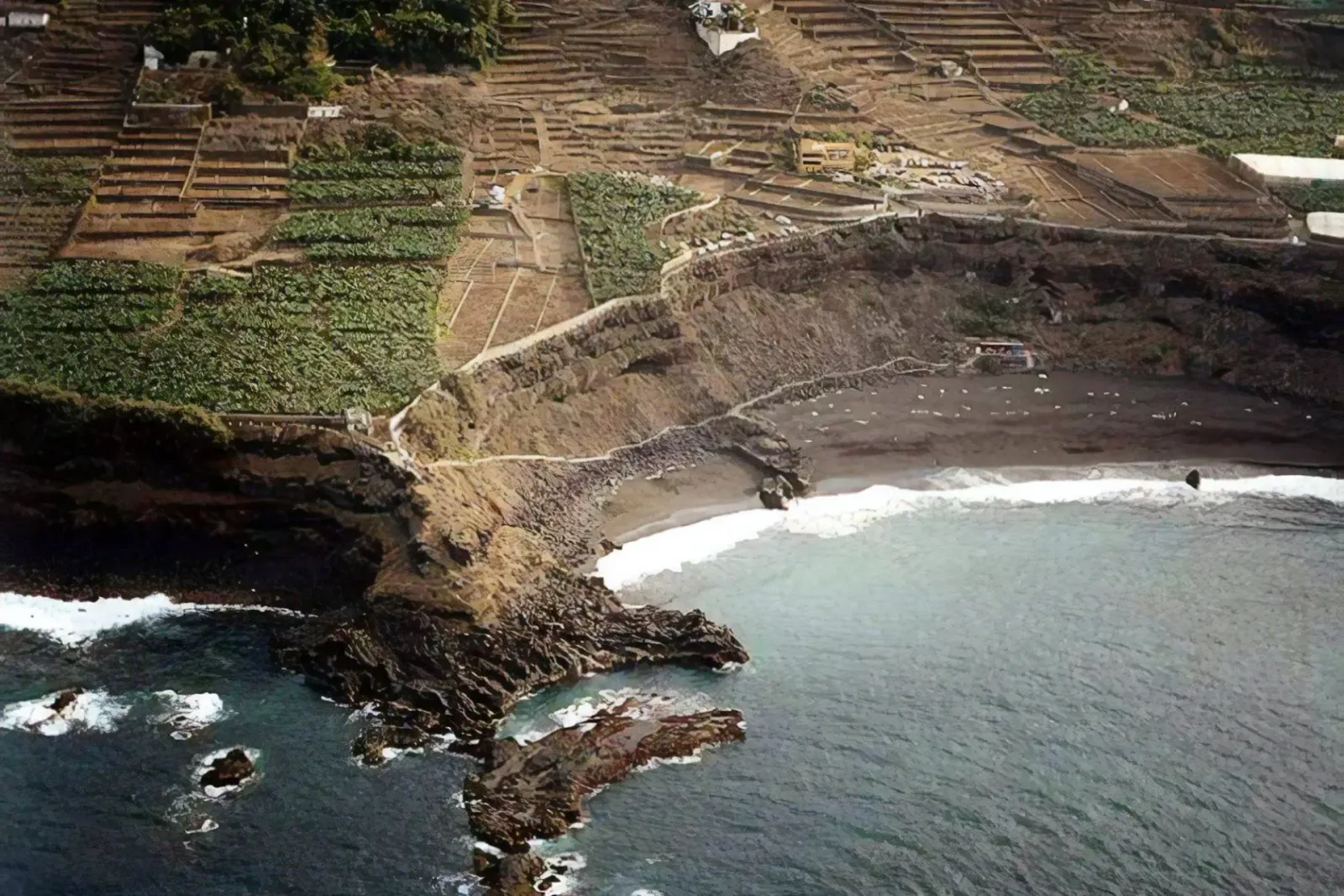
Playa El Bollullo in La Orotava, Tenerife: 2026 car-park closure, coastal walk from Puerto de la Cruz
-
 Beach
Martiánez Tenerife
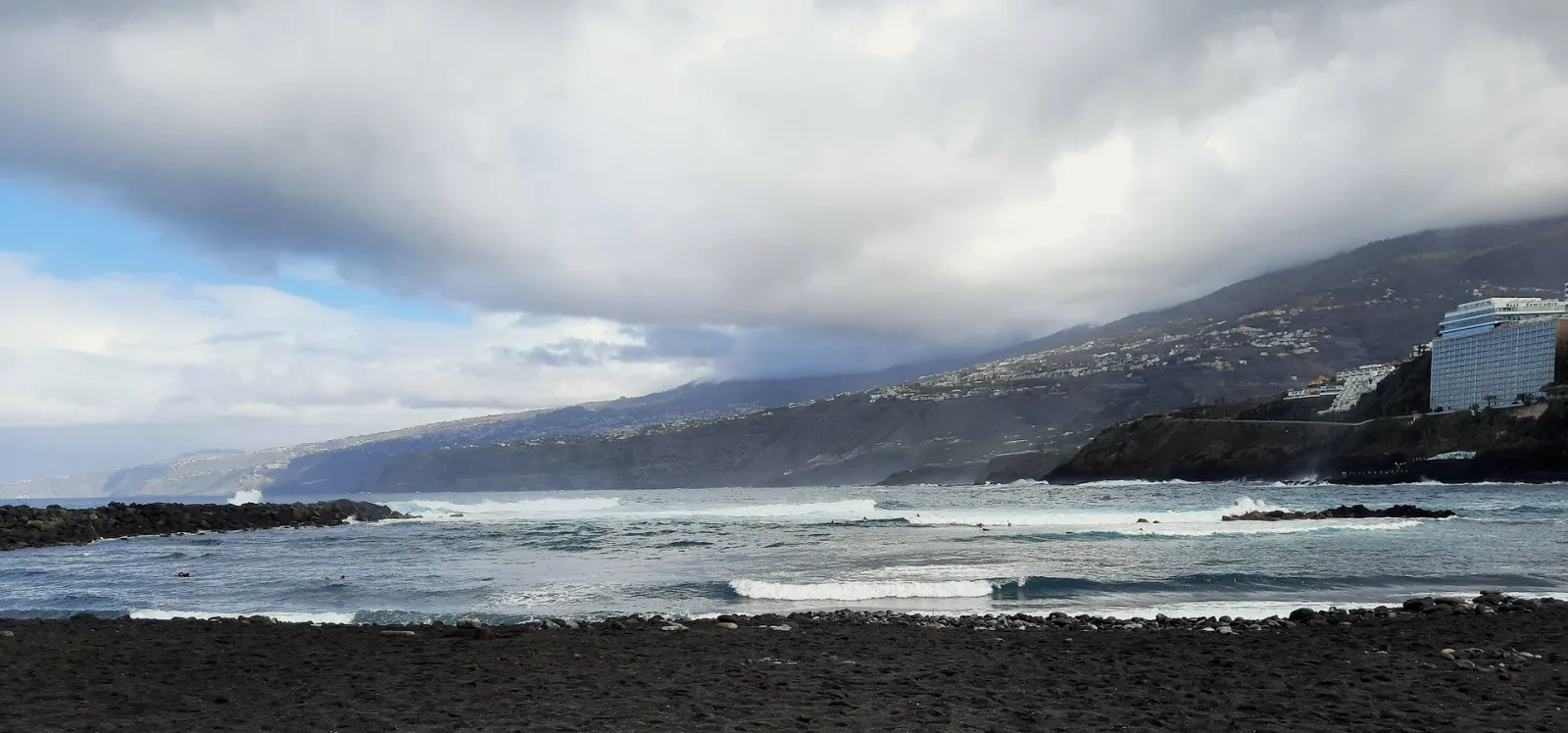
Martiánez Tenerife in Puerto de la Cruz: a 350 m black sand beach with surf, next to the César Manrique lido